
Last updated November 17, 2026
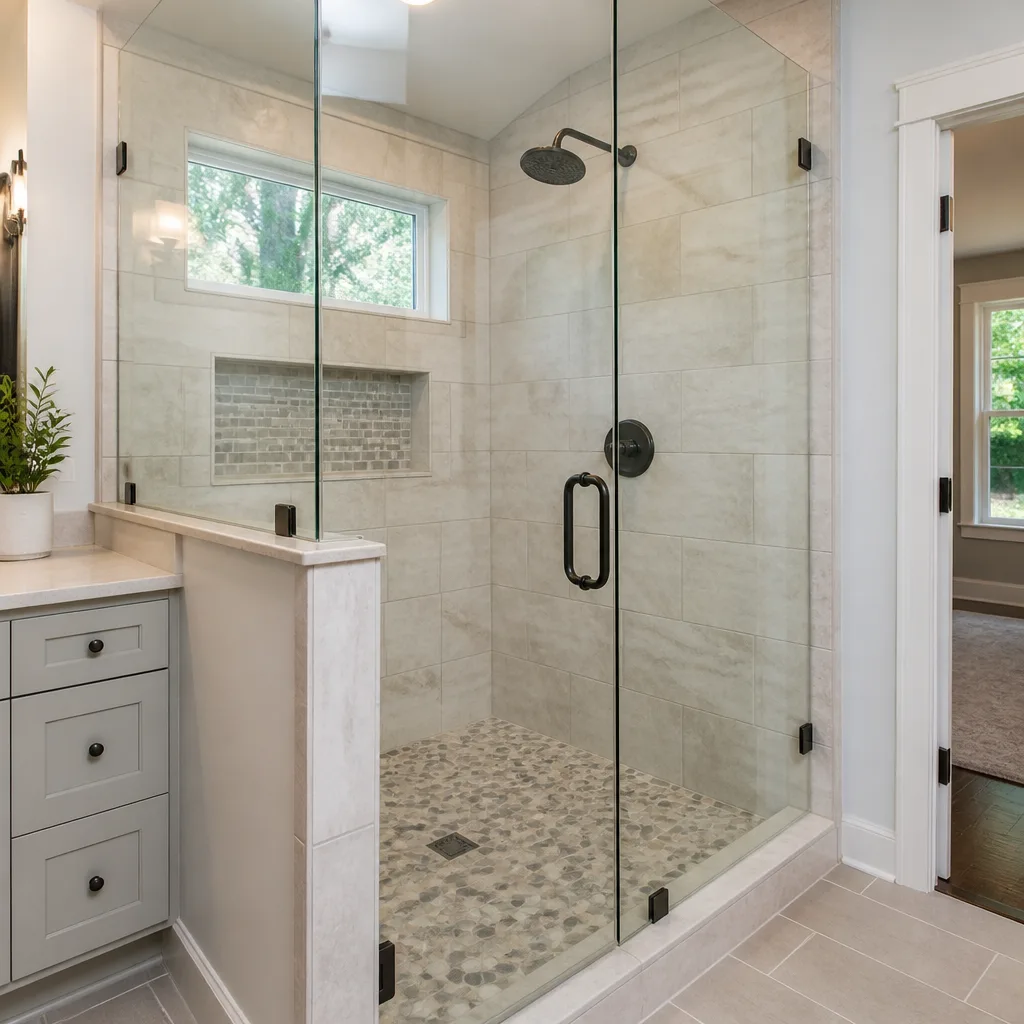 Walk-in shower
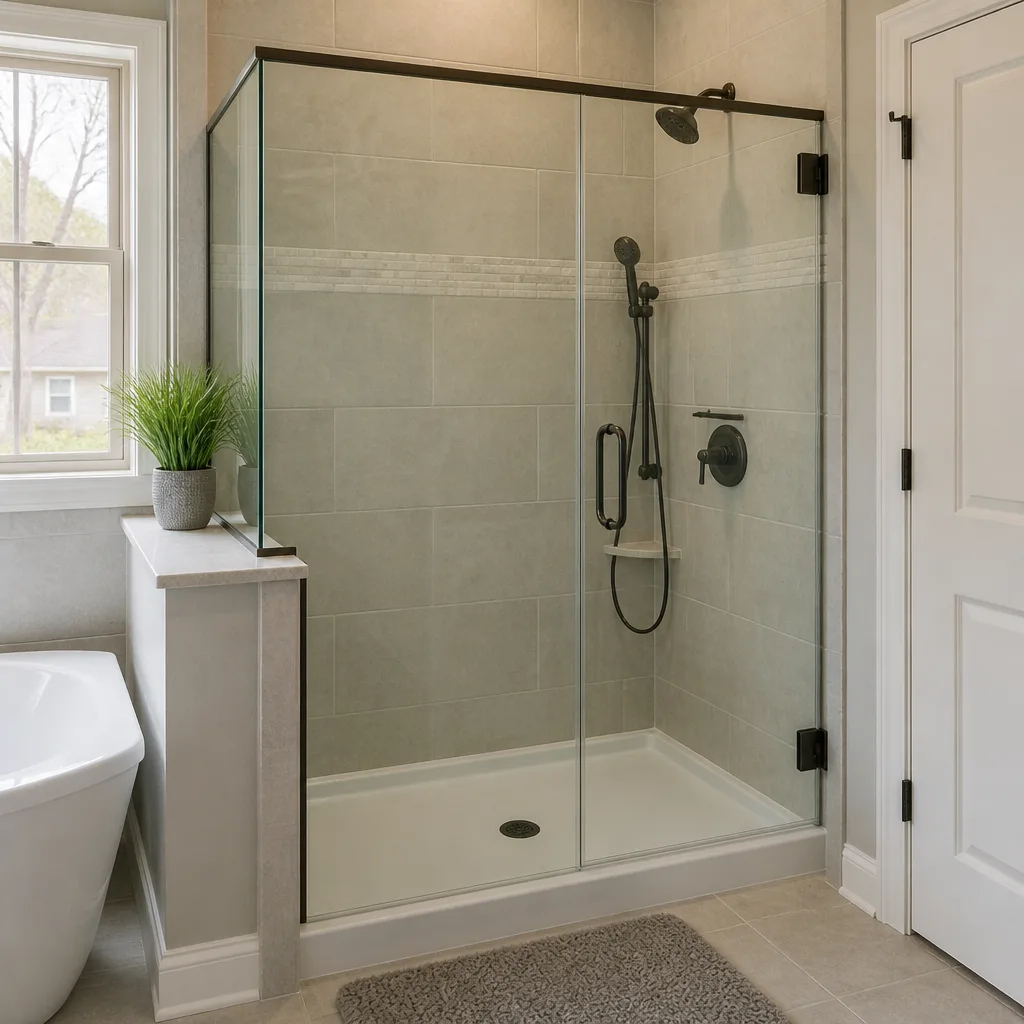 Tub-to-shower
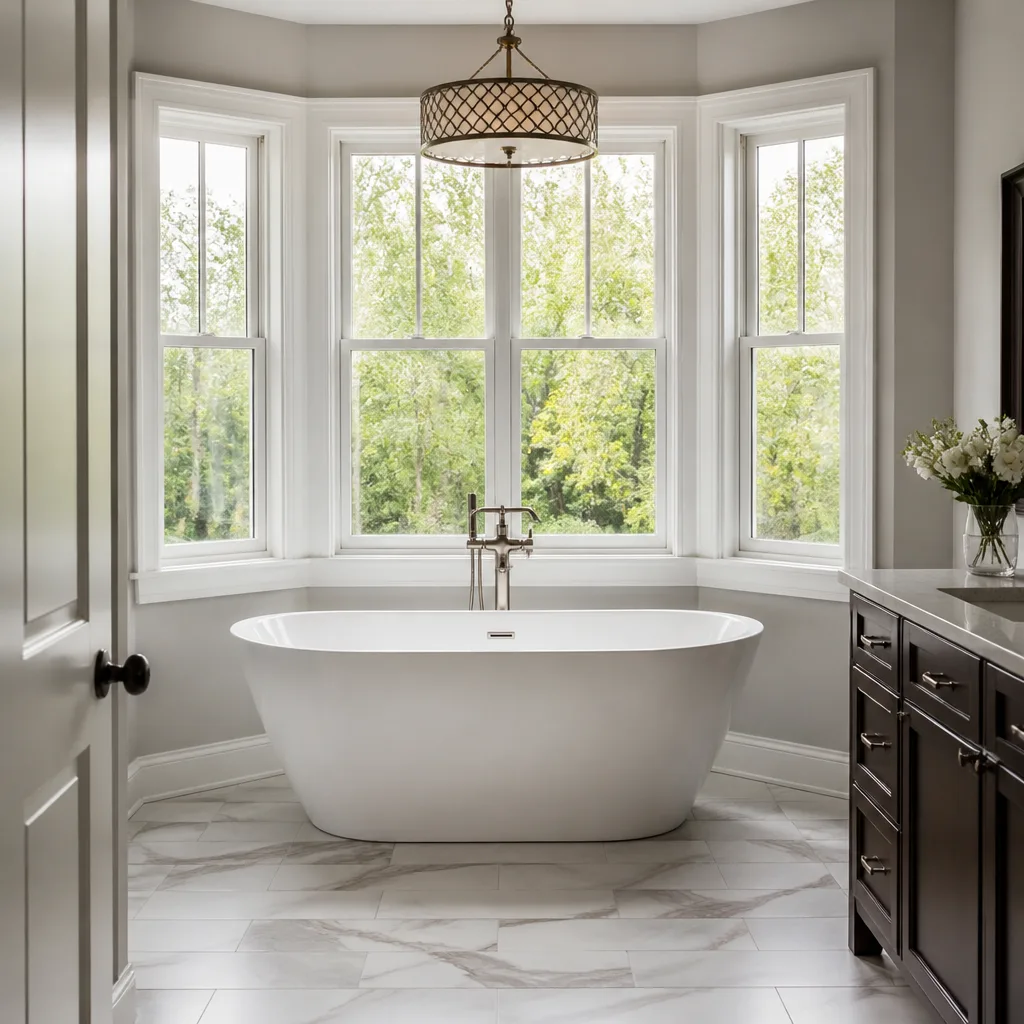 Freestanding tub
 Kohler
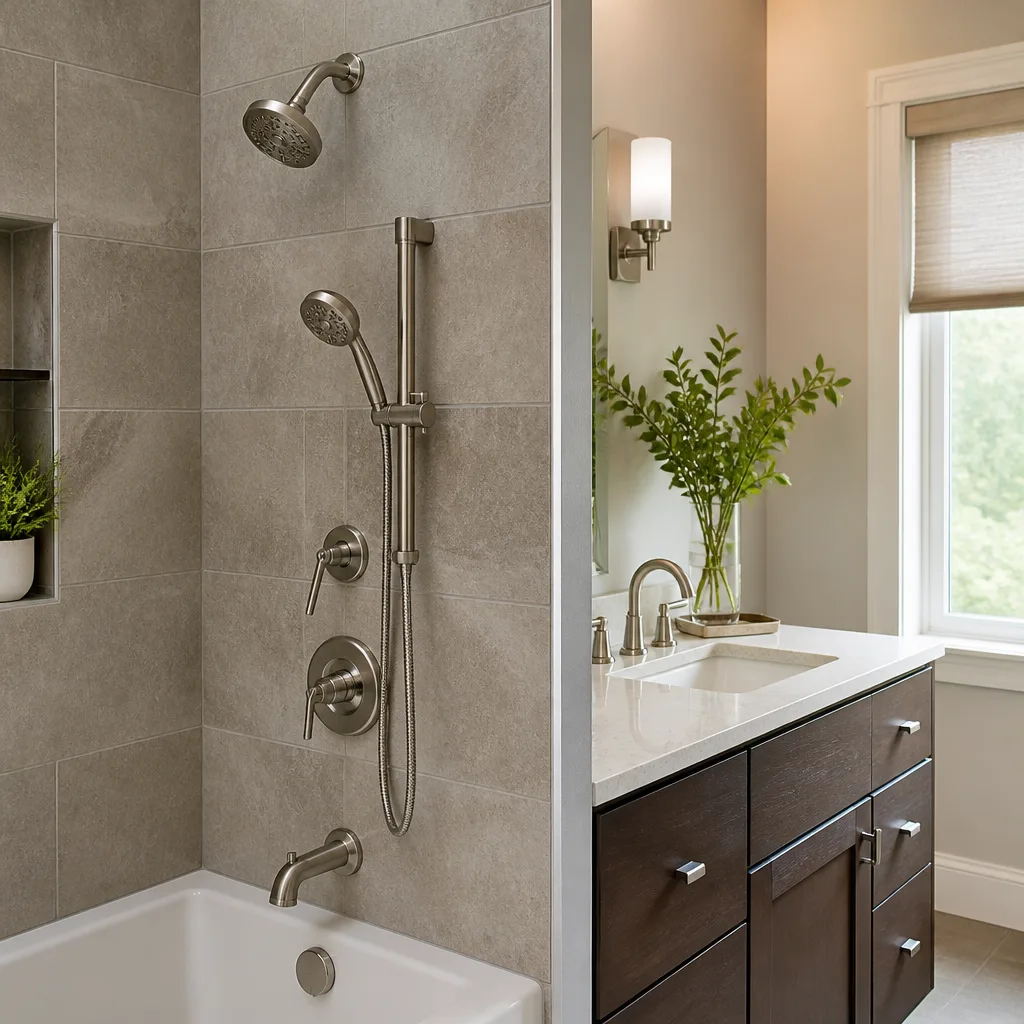 Moen
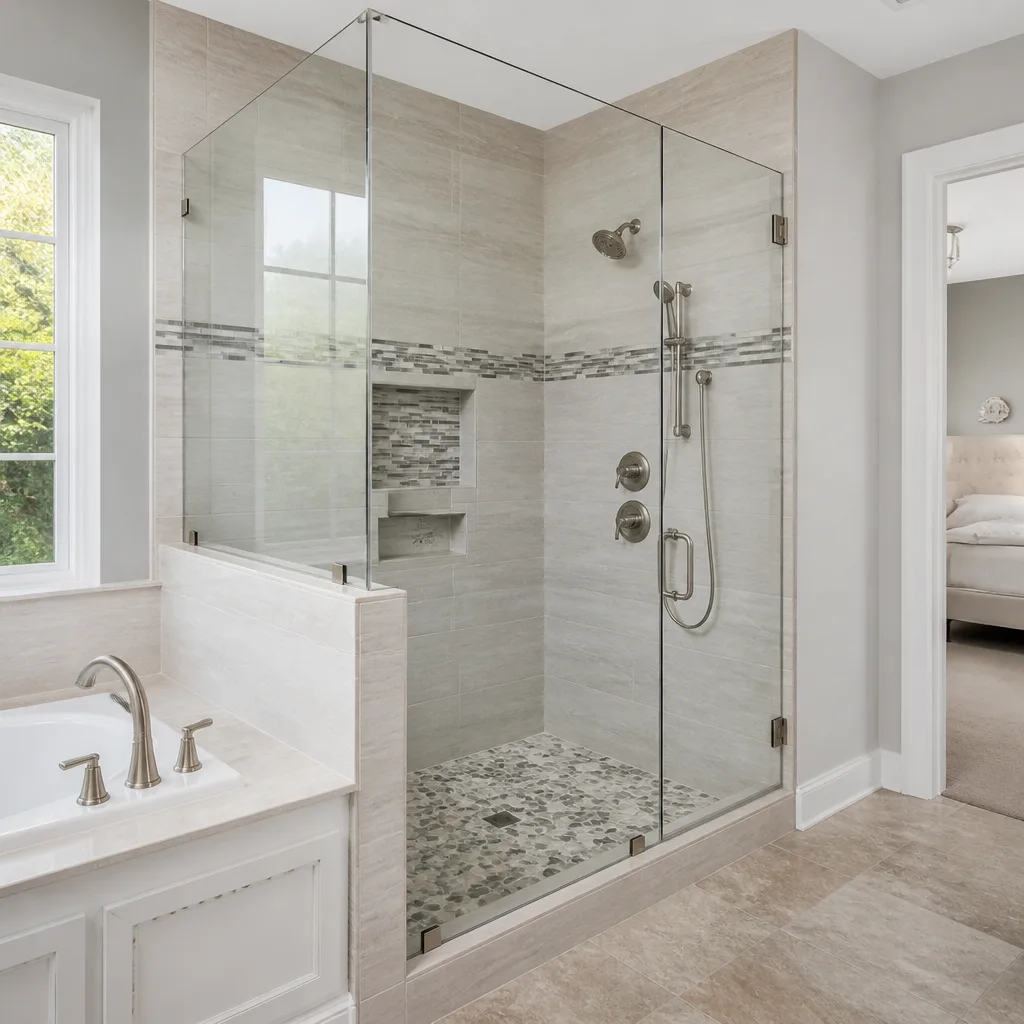 Delta
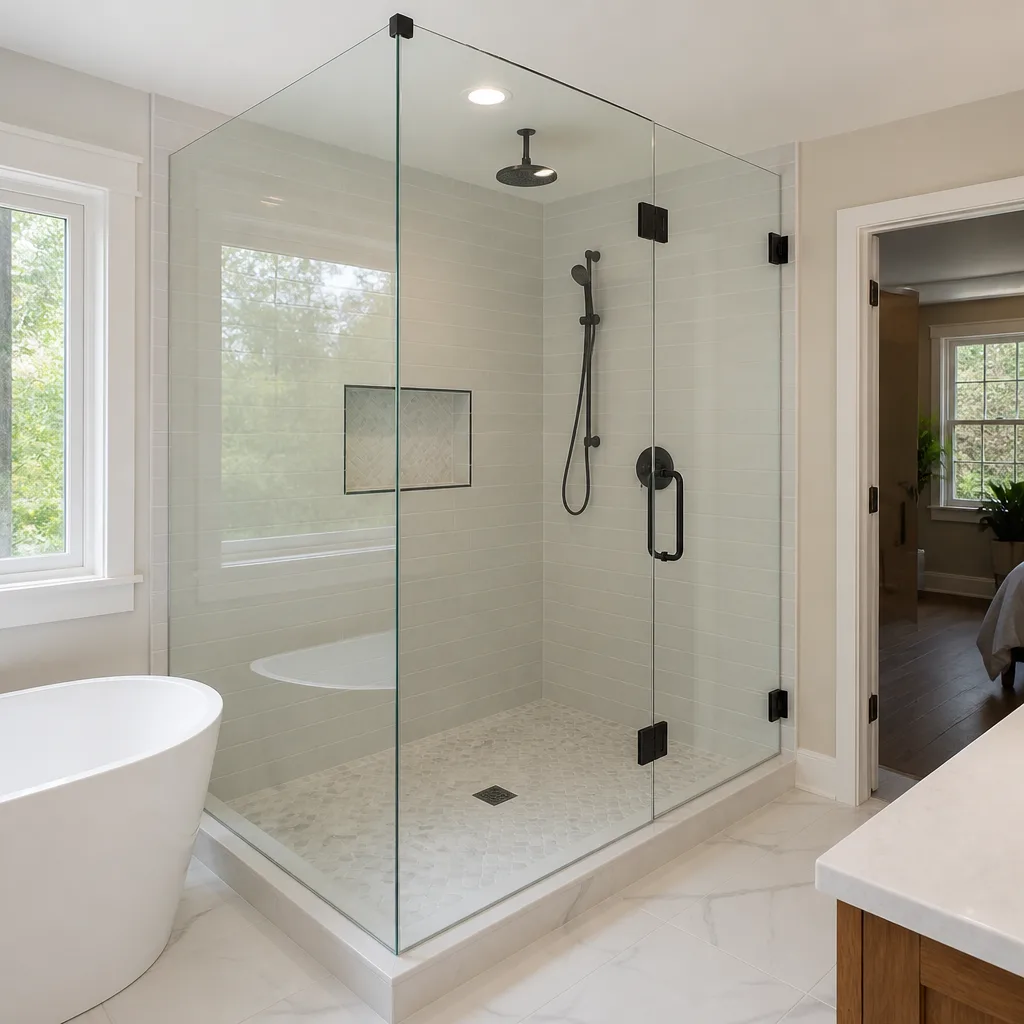 Frameless glass
Free in-home design visit - walk-in showers, tub-to-shower conversions, and Kohler, Moen, and Delta fixtures planned to your exact space
DIY vs Professional Bathroom Remodeling: The Paradise Homeowner’s Decision Guide
Here’s the part most remodeling advice skips: in Nevada, you can legally pull your own permit and do your own plumbing. That’s true, and a lot of homeowners hear it and assume the whole bathroom is fair game. But the same rules that let you self-perform work also attach consequences to it. When you sell a home in Paradise’s active real estate market, your buyer’s inspector will flag unlicensed plumbing changes, and that disclosure can stall a deal faster than any cosmetic flaw. This guide separates the tasks you can genuinely own from the ones that quietly create liabilities. By the end, you’ll know exactly where to draw the line on your bathroom remodeling project.
Quick Answer
In Paradise, homeowners can legally self-perform cosmetic work like demolition, painting, accessory installation, and tile grout touch-ups, and save real money doing it. But plumbing rough-in moves, new electrical circuits, and waterproofing membranes carry permit, warranty, and resale consequences that usually outweigh the savings. The smartest approach for most homeowners is a hybrid: DIY the low-risk surface work and have a licensed specialist hold the permit and inspect the critical path.
Styles & brands we work with
- Walk-in shower
- Tub-to-shower
- Freestanding tub
- Kohler
- Moen
- Delta
- Frameless glass
Table of Contents
- What Nevada Owner-Builder Permit Rules Actually Allow
- The Four Tasks Where DIY Saves Real Money in Paradise
- The Three Tasks Where DIY Creates Compounding Costs
- How Paradise’s Hard Water Changes DIY Fixture Installation
- The Hybrid Model: Structuring a Contract Around DIY
- Resale, Disclosure, and What Buyers Actually Inspect
- Common Mistakes to Avoid
- When to Call a Professional
What Nevada Owner-Builder Permit Rules Actually Allow
Nevada lets a homeowner act as their own general contractor on their primary residence, pulling permits and performing or directly supervising the work. That’s a real path for a motivated owner. But the owner-builder exemption comes with conditions that most homeowners discover late: the property typically can’t be sold for a period defined by local jurisdiction rules, the work must be done by the owner or licensed tradespeople, and several trades require a licensed contractor regardless of who holds the permit. Plumbing and electrical work, in particular, are areas where Clark County and the local building authority can require a licensed professional even when the homeowner is the permit holder.
Before you commit to self-performing, check three things with the jurisdiction that has authority over your address in Paradise. First, ask whether the scope you’re planning can be performed by an owner-builder at all. Second, confirm what inspections will apply and when they can be scheduled. Third, ask whether your HOA’s architectural rules add requirements on top of the building code. Some associations in Paradise handle bathroom plumbing changes as a covered-interior issue that requires a licensed contractor’s sign-off.
What voids manufacturer warranties
When you install a fixture yourself, the manufacturer’s warranty is only as good as the installation method. A Bathroom Remodeling Paradise-installed Kohler or Grohe shower valve typically keeps its coverage because the install follows the manufacturer’s spec and the waterproofing is documented. A valve installed over a membrane that wasn’t built to spec can have its coverage questioned if water damage appears later. This is where DIY stops saving money and starts deferring a cost.
What your HOA may require
Aesthetic changes visible from shared areas often need written association approval. Waterproofing changes that involve the slab or shared plumbing walls can trigger additional requirements. Read your association’s design guidelines before you swing a hammer.
The Four Tasks Where DIY Saves Real Money in Paradise
There are four tasks where a careful homeowner in Paradise can keep labor dollars in their own pocket without crossing a regulatory or warranty line. These are the jobs where the value of the work is in the time, not the expertise.
1. Demolition
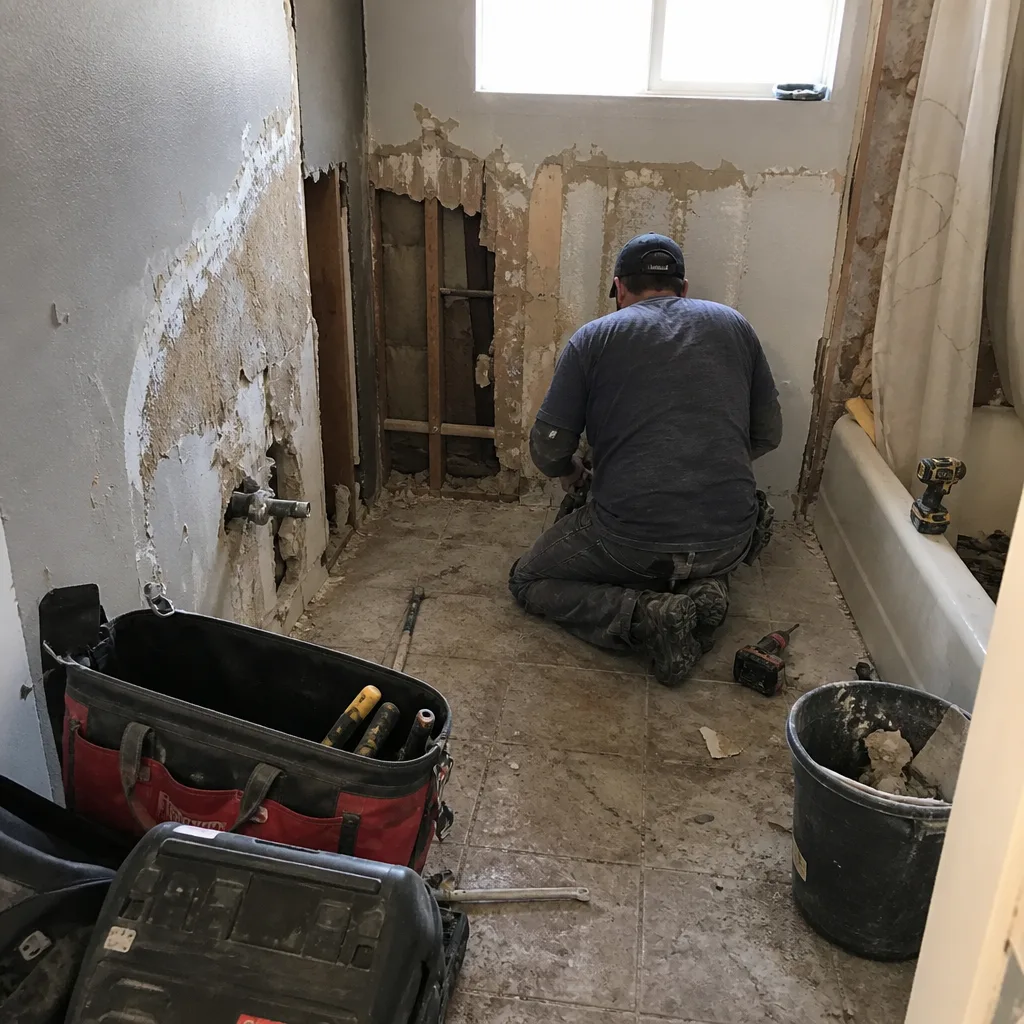
Removing old tile, cabinetry, vanity tops, mirrors, and a non-permitted fixture is tedious, dusty work that doesn’t require a license. What it does require is planning: shut off water at the valve, remove fixtures in an order that prevents draining problems, and protect the floor under the debris path. Demolition is the single biggest labor-dollar save in most bathroom projects, and it’s low-risk when the plumbing stubs are capped and left for the trade to handle.
2. Painting
Priming and painting drywall that’s already been finished passes inspection out of the way. Use a bathroom-rated paint, not a standard interior wall paint, and let the substrate fully dry first.
3. Accessory installation
Grab bars, towel bars, mirrors, and a medicine cabinet can be installed by a careful homeowner. The one caution: anchors in a tiled shower wall need the right drill bits and waterproof sealant, or you’ll crack tile or create a moisture path. Install accessories after the tile and waterproofing inspections are signed off.
4. Tile grouting touch-ups
Re-grouting existing tile in a bathroom that isn’t part of the remodel scope is a sensible DIY job. Grouting new tile, though, depends on the thin-set and setting bed below it being correct. Save the touch-ups for after the pro work; leave the setters’ scope to the setters.
The Three Tasks Where DIY Creates Compounding Costs
Three tasks look like DIY opportunities until you account for the permits, inspections, and warranty requirements that ride along with them. In our experience working exclusively on bathrooms, these are the three places we most often see homeowners get stuck partway through.
1. Plumbing rough-in moves
Moving a drain, relocating a shower valve, or running a new supply line requires a plumbing permit and a licensed plumber in most Paradise scenarios. The complication isn’t the pipe; it’s what happens at inspection. If it fails, you’re opening the wall back up and paying for a second inspection. If it’s never inspected, you’re carrying a stub in the wall that your buyer’s inspector will flag. When the house goes on the market, the disclosure becomes a negotiation.
2. Electrical circuit additions
A new lighting circuit, a GFCI for a shower fan, or a heated towel bar means a new electrical permit and a licensed electrician. Bathrooms are wet locations, and the code requirements around GFCI protection and receptacle placement are more specific than in a bedroom or living room. Getting this wrong is a fire risk, not just a paperwork problem. This is where calm advice ends: don’t perform electrical work yourself.
3. Waterproofing membrane
The waterproofing membrane behind a walk-in shower is the part of the remodel you’ll never see once the tile is up, and it’s the part that determines whether you have a water-damage problem three years from now. Proper membrane installation means correct substrate prep, correct membrane overlap, and correct flood-test documentation before tile goes down. Most surface-level remodelers skip this step or do it quickly. A membrane failure in a Paradise bathroom typically shows up as efflorescence on grout, a loosened tile, or moisture in the adjacent wall.
How Paradise’s Hard Water Changes DIY Fixture Installation
Paradise’s water is hard, and that changes the practical difficulty of every fixture install. Hard water leaves mineral scale on the aerator, the shower head, and the cartridge surfaces, and the same minerals attack threaded connections. Two years in, the difference between a good install and a mediocre one shows up in the form of a seized thread, a weeping connection, or a cartridge that won’t move without a plumber.
For a DIY installation, three details matter more here than they would in a soft-water market:
- Thread sealant, not tape, on metal-to-metal connections. Hard-water scale works into tape seams; a proper pipe dope holds better on threaded metal fittings.
- Torque specs from the manufacturer, not “tight enough.” Overtightening a compression fitting on a hard-water line is one of the most common causes of a slow leak that shows up months later. Undertightening is just as bad. Follow the spec.
- Flush the lines before you install the cartridge. Debris and scale in a new supply line will chew up a cartridge’s seals if you install the cartridge before the lines are flushed.
Where this gets real is with precision fixtures. A Toto toilet’s fill valve and a Grohe shower valve both rely on tight tolerances matched to the manufacturer’s install method. An install that’s a hair off torque spec is one that starts showing mineral-seized wear within a couple of heating seasons. This isn’t a knock on DIY; it’s a warning that hard water is unforgiving of small errors.
The Hybrid Model: Structuring a Contract Around DIY
The hybrid approach is the model we recommend most often to Paradise homeowners who want to keep some of the work themselves. The idea is simple: the specialist holds the permit and owns the critical path, and the homeowner takes on the cosmetic scope with clear boundaries. This works best when all parties know exactly where the seam is.
- Define the scope split in writing. The contract or work order should list exactly which tasks belong to the homeowner and which to the licensed trade. Vague “owner to assist” language is where disputes start.
- Have the specialist pull the permit. The licensed professional holds the permit for the plumbing, electrical, and waterproofing inspection. That single change removes the resale disclosure risk for the majority of the project.
- Sequence demolition before rough-in. The homeowner handles demo, the specialist handles rough-in and inspection, then the homeowner returns for the surface work. This keeps inspections on a clean critical path.
- Photograph the waterproofing and rough-in before close-up. Document the membrane and the plumbing before tile or drywall seals it. That documentation protects the warranty and the resale value.
- Book inspections into the calendar early. Scheduling is the number one cause of a hybrid project stalling. Confirm inspection dates with the jurisdiction before demolition day, and know that our own dispatch runs Sunday through Friday, 7am to 7pm, closed Saturday.
- Leave a documented handoff. Get a signed completion for the licensed scope so a future buyer sees a clean paper trail.
A specialist who works in bathrooms all day speaks the same language as the tile setter, the plumber, and the inspector. That’s the real advantage of a single-trade focus, and it’s why a hybrid contract with a bathroom specialist is easier to coordinate than one with a general contractor whose attention is split across kitchens, additions, and roofing.
Resale, Disclosure, and What Buyers Actually Inspect
In Paradise’s active real estate market, bathroom condition weighs heavily on buyer offers. Cosmetic imperfections are forgiven; unpermitted plumbing changes are not. A buyer’s inspector typically looks for evidence of permit history, GFCI protection, functional exhaust ventilation, modern supply lines, and any sign that tile or drywall was opened recently. If the inspector asks for permit records and finds none for work that clearly required one, the disclosure requirement kicks in.
What that means in practice: the cosmetic work you did yourself is unlikely to cause a resale problem. The rough-in plumbing you did yourself, if it was permitted to you as owner-builder and correctly done, may also be fine, but the paperwork trail matters. If the plumbing was done without a permit, the buyer now has a negotiating chip. In a competitive market, a buyer may walk; in a slow one, a buyer will ask for a credit or a reduction. Either way, the plumbing savings you kept at installation becomes a larger number at sale.
Electrical is the same story but more serious. A new circuit installed without a permit is one that a buyer’s electrician will likely flag, and it’s also one your insurer may treat as unpermitted work in the event of a claim. The saving isn’t worth it. This is one of the reasons we recommend keeping electrical and plumbing plumbing scope inside the licensed contract.
Common Mistakes to Avoid
These are the mistakes we see most often in Paradise bathrooms, and each one has a local twist that makes it more expensive than it looks.
- Skipping the waterproofing documentation. A membrane without photos and a flood test result is a membrane you can’t defend at resale or on a warranty claim. Take the photos before the tile goes up.
- Installing the shower cartridge before flushing the lines. Paradise’s hard water means the supply line is carrying mineral debris on day one. Flush, then install, and your cartridge will survive the first few years.
- Pulling a permit as owner-builder without checking the resale restrictions. Nevada’s owner-builder rules come with conditions that can affect when the home can be sold. Ask the jurisdiction about these before you start.
- Using a general-purpose plumber for a bathroom rough-in move. Bathroom plumbing has its own slope, vent, and code requirements that a general plumber who works across the whole house may not specialize in. Get a bathroom specialist.
- Letting a handyman pull the electrical permit. Unlicensed electrical work is a real risk in a wet location. Bathrooms are not a handyman scope.
- Buying a luxury fixture without confirming the install method. A Toto shower valve or a Grohe thermostatic valve needs the right rough-in depth and the right trim kit. Buy the manufacturer’s matching rough-in valve, not a universal “compatible” one.
- Ordering tile before the waterproofing layout is confirmed. A layout that doesn’t line up with the drain, niche, or shower seat position is a costly re-order.
When to Call a Professional
Call a bathroom specialist before you commit to DIY if any of these apply: you’re moving a drain, relocating a shower valve, adding an electrical circuit, installing a new walk-in shower with a waterproofing membrane, or replacing a tub with a shower. Those are the configurations where permits, code, and warranty requirements converge, and where the cost of getting it wrong compounds quietly. If your bathroom is in an HOA and your association has design guidelines, that’s also a reason to loop in a professional early. So is the presence of a luxury fixture whose install method is non-negotiable.
Bathroom Remodeling Paradise offers free estimates in Paradise. We hold the permit and the waterproofing scope, and we work with Toto, Grohe, Schluter, and Sterling fixtures so the install matches the product. Call (888) 349-5908.
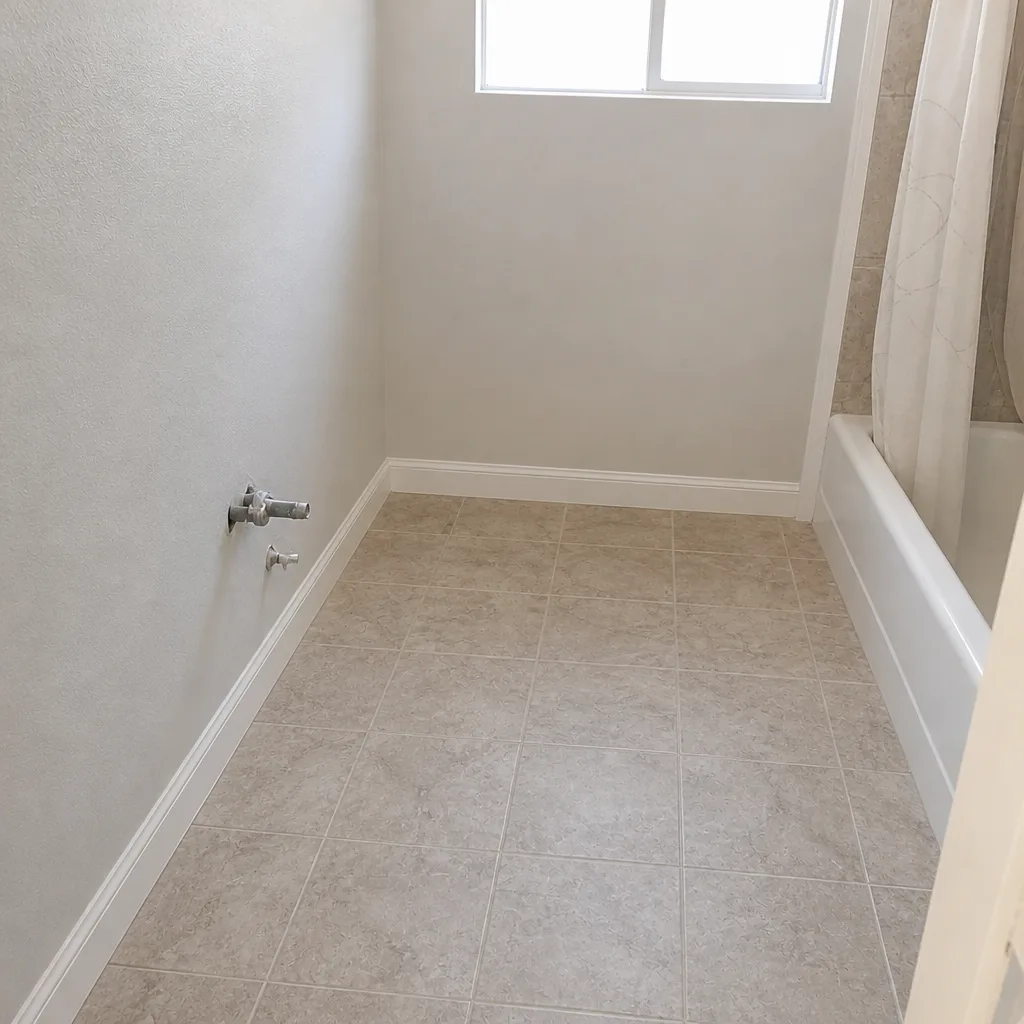
See the difference
 Before
 After
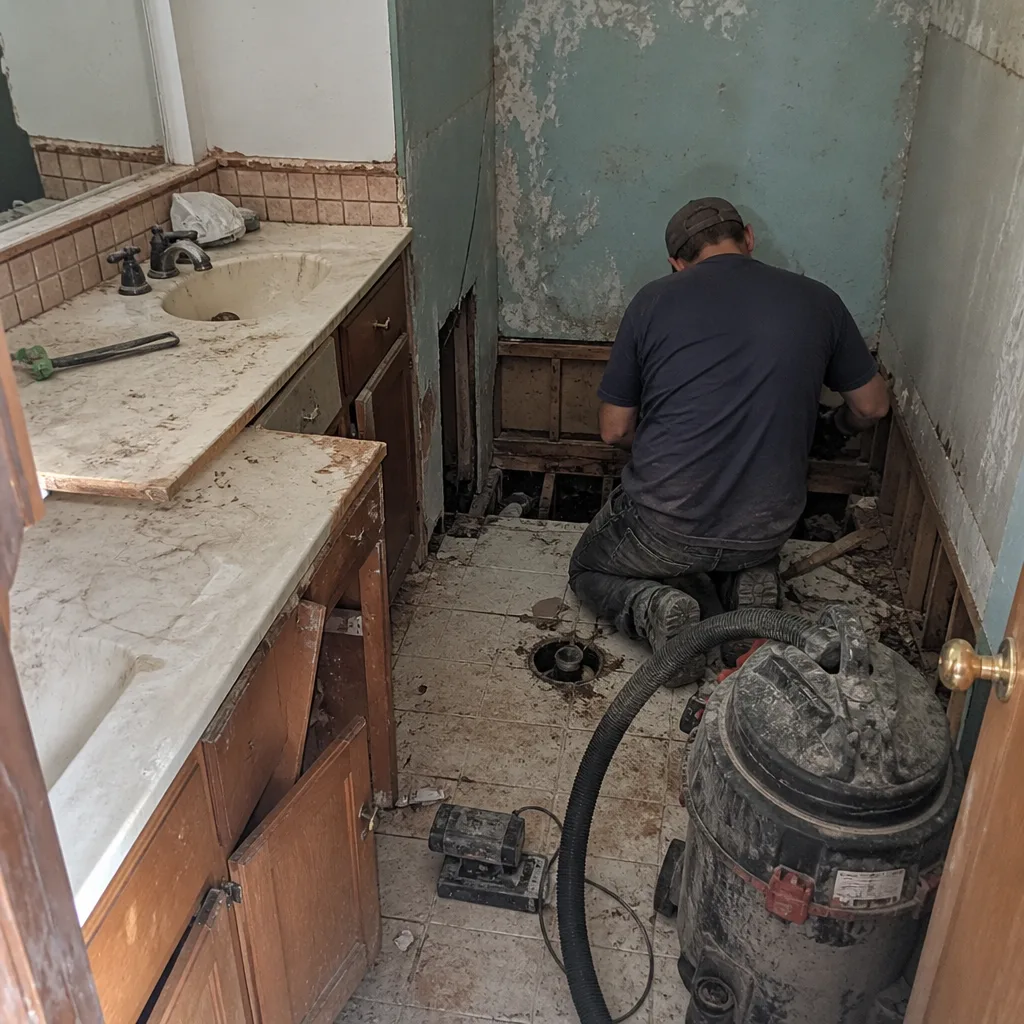 Before
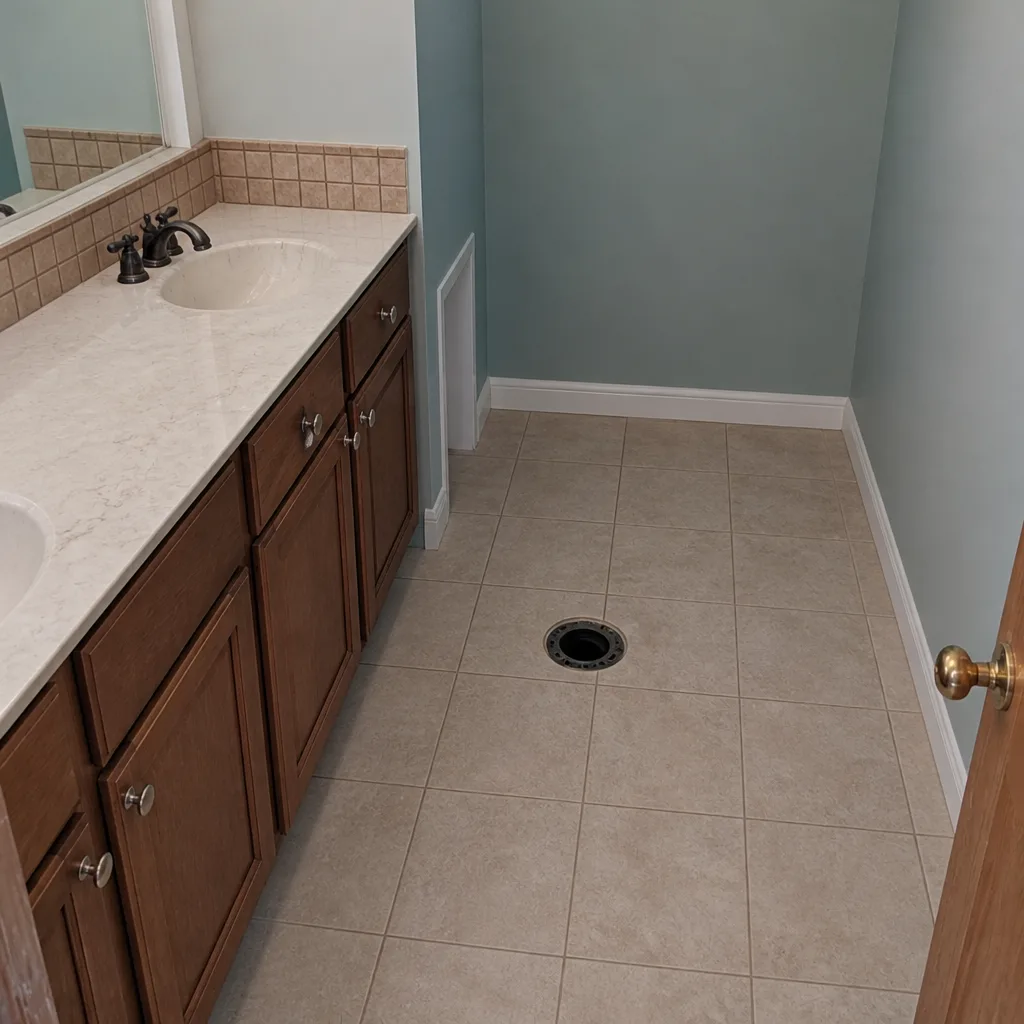 After
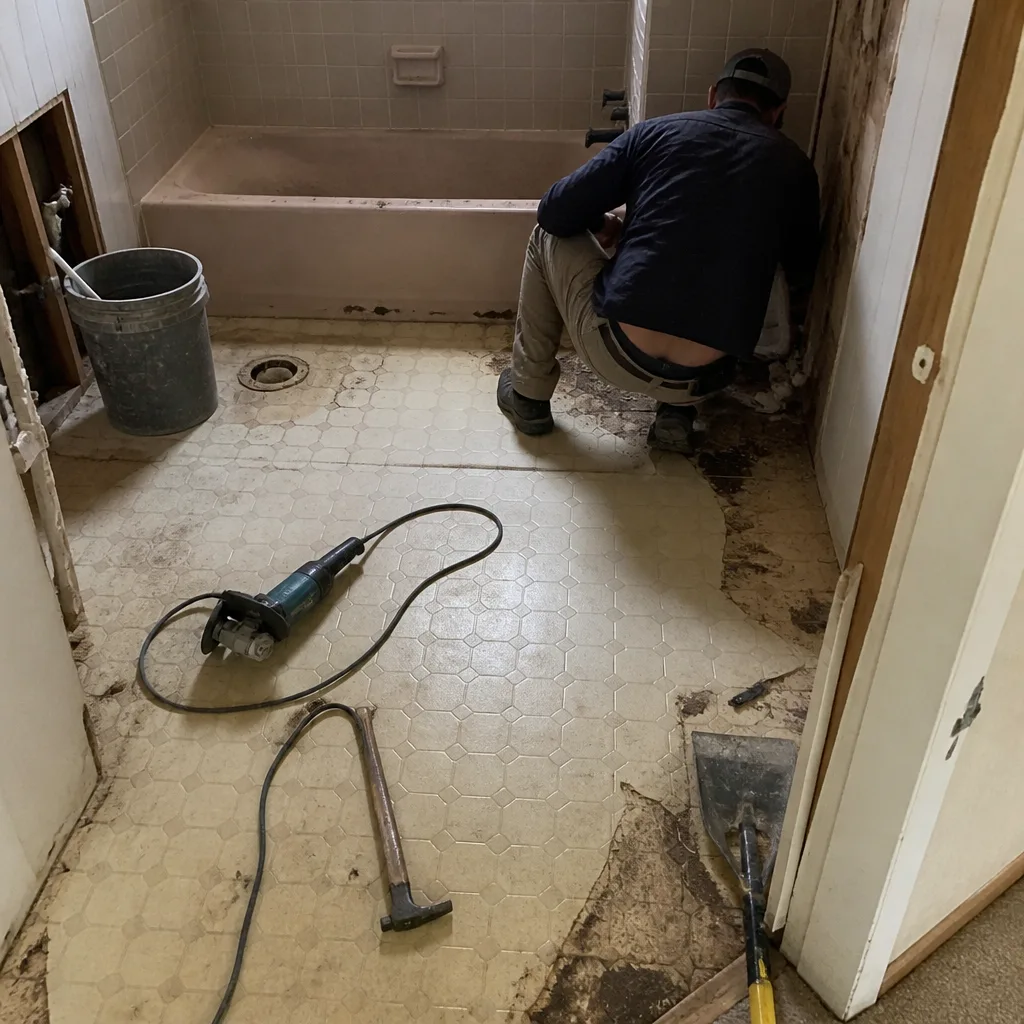 Before
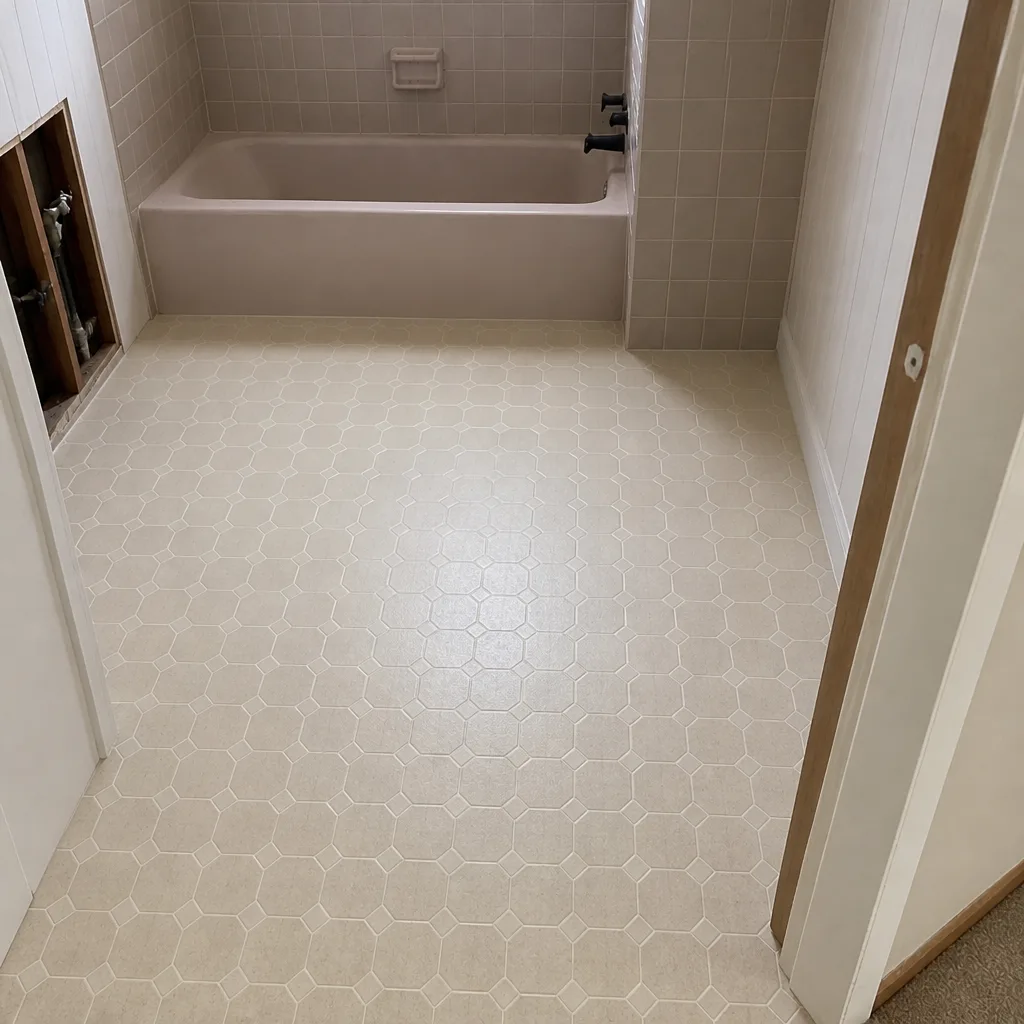 After
Frequently Asked Questions
In many cases, yes, but only as an owner-builder with a permit and only when the jurisdiction allows the specific scope. Plumbing rough-in moves and drain relocations often require a licensed plumber regardless of the owner-builder status, and unpermitted work creates resale disclosure risk. Confirm your specific scope with the local building authority before you start. Call (888) 349-5908 for a free estimate if you’d rather have the licensed scope covered.
DIY is genuinely cheaper on demolition, painting, accessory installation, and grout touch-ups, where labor is the bulk of the cost. DIY is usually more expensive overall once you account for the plumbing and electrical permits, the risk of failed inspection, and the resale negotiation on unpermitted work. A hybrid split is the cost-effective middle path. Call (888) 349-5908 to price the licensed scope.
Very likely, yes. A buyer’s home inspector will typically check for permit records and flag unpermitted plumbing, electrical, or structural work. In Paradise’s real estate market, that flag can lead to a credit, a price reduction, or a lost sale. Making the permit process part of the remodel from the start removes the exposure. Call (888) 349-5908 to schedule a free estimate.
Yes, meaningfully. Hard water attacks threaded connections, cartridge seals, and shower head surfaces, so thread sealant choice, manufacturer torque specs, and flushing the lines before installing the cartridge all matter more here than in a soft-water market. A slow leak from an under-torqued fitting shows up months later. Call (888) 349-5908 for a free estimate.
Keep the licensed specialist on the permit and critical-path scope (plumbing rough-in, electrical, waterproofing), and keep the cosmetic work like demolition and painting for yourself. Put the split in writing, sequence demolition before rough-in, and document the waterproofing before tile. Call (888) 349-5908 and we can walk through the split on your bathroom.
Usually yes. A tub-to-shower conversion changes the plumbing configuration, so it typically requires a plumbing permit and an inspection. Waterproofing scope also often requires inspection in walk-in shower builds. The safest approach is to confirm the permit requirement for your specific address with the local building authority. Call (888) 349-5908 and we can help you scope the permit and the conversion together.
The Bottom Line
The DIY vs professional question in Paradise isn’t primarily about skill. It’s about which tasks carry hidden regulatory, warranty, or resale costs when a non-licensed person performs them. Demolition, painting, accessory installation, and grout touch-ups are within reach. Plumbing rough-in moves, new electrical circuits, and waterproofing membranes are not, because the permit and inspection trail is what protects your resale value. The hybrid model gives you the savings on the surface scope and the licensed accountability on the critical path. If your project is in Paradise, start with a written scope split and a licensed specialist on the permit. That’s how a walk in shower gets installed without becoming a future negotiation.
Contact
Bathroom Remodeling Paradise works exclusively on bathrooms, with technicians who have up to 15 years of experience, and we work with Kohler, Moen, Delta, American Standard, Toto, Schluter, Sterling, and Grohe fixtures. Call (888) 349-5908 to schedule your free estimate. We answer 24/7. Fast dispatch from 7am to 7pm, Sunday through Friday.
Written by the team at Bathroom Remodeling Paradise.