
Last updated November 17, 2026
 Walk-in shower
 Tub-to-shower
 Freestanding tub
 Kohler
 Moen
 Delta
 Frameless glass
Free in-home design visit - walk-in showers, tub-to-shower conversions, and Kohler, Moen, and Delta fixtures planned to your exact space
Bathroom Remodeling Maintenance Checklist for Paradise Homeowners
Silicone caulk around a shower in Paradise can fail in under 18 months. Not because it was installed wrong, but because the conditions here work on it in ways manufacturers test for in milder climates. UV coming through a skylight, attic heat cycling past 115°F, water that carries dissolved minerals from the moment it leaves the tap: all of it goes to work on the finishes you paid for. Most post-remodel care guides are written for a generic American climate and a generic water supply, so they miss the failure modes that actually show up in Southern Nevada bathrooms. What follows is a checklist built around those specific pressures: water chemistry, seasonal temperature swings, dry air, and the surfaces and metals most exposed to all three. We’ll cover what to check, when to check it, and the warning signs that mean stop and call someone.
Styles & brands we work with
- Walk-in shower
- Tub-to-shower
- Freestanding tub
- Kohler
- Moen
- Delta
- Frameless glass
Quick Answer
A bathroom remodel in Paradise needs a monthly mineral-deposit wipe-down, quarterly grout and caulk inspections timed to the temperature swing rather than the calendar, annual sealant renewal on stone and cement tile, and exhaust fan checks calibrated to the desert’s low humidity baseline rather than the standard fog test. Most of the work takes a few minutes a month. Skipping it is what turns a five-figure remodel into a repair project. Dry air, hard water, and big day-to-night temperature swings are the three forces you’re managing against.
Table of Contents
- Why a Paradise Bathroom Ages Differently
- The Monthly Mineral Deposit Protocol
- Quarterly Grout and Caulk Inspections: Seasonal, Not Calendar
- Maintaining Matte and Brushed Metal Finishes
- Exhaust Fan Checks for a Dry-Climate Bathroom
- Annual Sealant Schedule by Surface Type
- Water Quality, Showerheads, and the Hidden Sediment Problem
- Common Mistakes to Avoid
- When to Call a Professional
- Frequently Asked Questions
Why a Paradise Bathroom Ages Differently
Paradise sits in a valley where the air is dry almost year round and the municipal supply is mineral-heavy. Those two facts change the maintenance math. In a humid climate, the main enemy of a bathroom is standing moisture and the mold that follows it. Here, the main enemies are the minerals left behind when water evaporates and the physical stress of surfaces expanding and contracting as indoor and outdoor temperatures pull apart.
Think about what happens to a shower wall over a year in Paradise. In January, overnight temperatures drop and indoor air gets drier. In July, the attic above that bathroom can hit 115°F or more, and the wall assembly warms with it. Caulk, grout, and the tile itself expand and contract at slightly different rates through those swings. Something has to give, and it’s usually the softest material in the assembly: the caulk bead at the wall-to-floor junction or the grout line at the inside corner.
Then there’s the water. Southern Nevada’s municipal supply carries dissolved calcium and magnesium. When water sits on a surface and evaporates, those minerals stay behind as a film. Left alone, that film bonds to glass, tile, and metal. Remove it weekly and it wipes away. Leave it for a season and it becomes a mechanical problem that needs a pumice stone or a razor blade.
This is why a checklist written for a bathroom in Seattle or Atlanta doesn’t translate. The maintenance rhythm here is about managing dryness, minerals, and thermal movement, not mold control. In our experience the bathrooms that hold up best are the ones where the homeowner understood that from day one and built a short routine around it.
The Monthly Mineral Deposit Protocol
Once a month, every wet surface in your bathroom needs a dedicated mineral treatment. Not a general spray-and-wipe, a targeted protocol that removes what the water left behind before it bonds.
- Start with the showerhead and fixture faces. Unscrew the showerhead if it’s removable and soak it in a mix of equal parts white vinegar and water for 30 minutes. If it’s fixed, fill a zip-top bag with the vinegar solution and rubber-band it over the head. Rinse with cool water and dry with a microfiber cloth.
- Move to the glass. A squeegee after every shower handles the daily film. Once a month, use a non-abrasive mineral remover on the full glass panel, working top to bottom, then rinse and squeegee dry. Avoid abrasive pads on coated glass, which scratch the coating off.
- Treat the tile and grout lines with the same vinegar solution. A soft brush along grout lines lifts surface minerals without digging out the grout. Rinse and dry the surface afterward so no solution sits in the joints.
- Do the faucet aerators and the drain cover. Unscrew the aerator, soak it in vinegar, rinse, and reinstall. The drain cover gets the same treatment. Both collect mineral scale faster than any other part of the fixture.
- Dry everything. A microfiber cloth through the whole room takes three minutes and cuts the next month’s work in half.
Some homeowners in Paradise get away with a lighter monthly routine if the bathroom is used by one person and has a softener on the house supply. Families with more users, or homes without a water softener, need the full protocol. Vinegar is the workhorse. It’s cheap, it’s effective on calcium and magnesium, and it doesn’t damage most modern tile and glass finishes as long as you don’t leave it pooling.
One caveat: not every surface tolerates acid. Natural stone, especially marble and travertine, is sensitive to vinegar and will etch. For stone, use a pH-neutral stone cleaner and a plastic scraper for mineral build-up, not acid.
Quarterly Grout and Caulk Inspections: Seasonal, Not Calendar
Most grout and caulk guides tell you to inspect every three months. In Paradise, the timing should follow the temperature swing, not the month printed on the wall calendar. The two critical inspection windows are the transition from winter to summer, when the wall assembly heats up, and the transition from summer to fall, when it cools back down. That’s when caulk and grout move most and when failures show up.
Here’s what a quarterly inspection actually looks like:
- Run a fingernail along every caulk bead. A sound bead is firm and bonded. A failing bead lifts, feels soft, or leaves a gap at the tile edge.
- Look at inside corners first. The vertical corner where two walls meet and the horizontal floor-to-wall line are the two highest-stress joints in the room. They almost always fail before the flat runs do.
- Check for grout pinholes and hairline cracks. A pinhole lets water into the substrate. Left alone for a season, it becomes a dished-out grout line, and then it becomes a loose tile.
- Test the caulk around the tub or shower pan. Press it gently. If it flexes away from the tile, the bond has broken even if the bead still looks complete.
- Inspect the ceiling and the top of the tile field. Any staining or bubbling there is a moisture problem higher up, not a surface issue.
When you find a failed joint, the repair is not a smear of new caulk over the old. The old bead needs to come out fully, the joint needs to be dry and clean, and the new bead needs to go in at the right depth with the right product. Silicone is standard at change-of-plane joints because it flexes; cement grout is not meant to bridge a moving corner.
The seasonal logic matters for Paradise specifically. Allowing a failed caulk bead to go through an entire summer is worse here than in a milder climate, because attic heat and UV exposure push the deterioration faster. The repair that takes an hour in March might need a contractor by August. If you notice caulk failing faster than you’d expect, or a shower that’s starting to show recurring joint problems, that’s often a sign the original waterproofing layer needs attention, not just the surface. This is where waterproofed to Schluter standards matters: a professionally built substrate behind the tile absorbs a lot more seasonal stress than a surface-level job does.
Maintaining Matte and Brushed Metal Finishes
Here’s a fact that surprises a lot of Paradise homeowners: matte black, brushed nickel, and gunmetal finishes behave differently from chrome in hard water. Chrome is dense, glossy, and largely non-reactive. Matte and brushed finishes have a textured top surface that traps minerals in the micro-grooves, so a hard-water film builds up faster and is harder to remove. The same Las Vegas tap water that wipes off chrome in one pass will leave a visible haze on brushed nickel if it’s left for a week.
The good news is the maintenance is simple if you do it consistently:
- Wipe metal fixtures after every use. A dry microfiber cloth over the faucet body, spout, and handles takes ten seconds. It removes the water before minerals can dry on the surface.
- Once a month, do a light acid wipe. Diluted white vinegar on a soft cloth, wiped in the direction of the grain on brushed finishes. Never against the grain; that lifts the finish.
- Use a wax on matte finishes. A thin coat of non-abrasive paste wax once every two or three months creates a barrier that minerals can’t bond to directly. Buff it off, don’t leave a film.
- Never use abrasive cleaners on PVD finishes. Matte black and brushed gold on modern Moen, Kohler, and Delta fixtures are usually PVD-coated. Abrasive pads and powder cleansers strip the coating and leave polished patches.
- Dry the shower door hardware after every shower. The hinges and handle are high-touch, and they collect hard-water film faster than any other metal surface in the room.
Chrome is the most forgiving finish in a hard-water market, and it’s why a lot of Paradise homeowners who are remodeling choose it for the shower valve even when other fixtures are matte. If you’re mid-remodel and haven’t picked finishes yet, it’s worth thinking about what water your home actually gets before you commit. The brand doesn’t save you from the water chemistry, but a well-made finish does hold up longer than a cheap one when it’s maintained the same way. We work with Kohler, Moen, and Delta for exactly this reason: their finish warranties and coating quality are consistent across the range, and a homeowner doesn’t have to guess how a given finish will age.
Exhaust Fan Checks for a Dry-Climate Bathroom
The standard bathroom exhaust fan test involves running a hot shower, closing the door, and watching whether the mirror fogs. It’s a useful test in humid climates. In Paradise it’s often misleading, because the ambient air is dry enough that the mirror doesn’t fog even when the fan is running well below its rated capacity. The fog test can pass a fan that’s moving a fraction of the air it should.
A better monthly check:
- Tissue test. Hold a single square of toilet paper up to the fan grille while the fan runs. It should be pulled firmly against the grille and stay there. If it flutters or falls, the airflow is weak.
- Grille check. Pop the grille off and look at the blower wheel. In a dry climate, dust and lint accumulate faster than you’d expect because there’s less moisture to weigh it down and push it through. A dusty blower wheel can cut airflow by half.
- Listen. A fan that hums louder than it did when new, or rattles, usually needs the wheel cleaned or a new motor.
- Check the exterior vent from outside. A damper that doesn’t open, or a vent clogged with lint or a bird’s nest, negates the whole system. This is the check most homeowners never do.
- Run the fan long enough. In a dry climate, ten minutes after a shower is usually enough to clear the moisture without over-drying the room. Running the fan for an hour in dry air just pulls conditioned air out of the house.
Why does this matter for a remodel? Because the fan is the cheapest protection in the room. A fan moving adequate air keeps surface moisture off walls and ceilings. A fan moving weak air lets condensation form on cold surfaces during a winter morning, and that condensation is what eventually gets into the caulk and grout lines that then fail. A new fan is an inexpensive upgrade, and in Paradise it’s often the single highest-return item on a remodel checklist.
The fan also matters for the finishes. A well-ventilated bathroom keeps the temperature and humidity in the room more stable, which reduces the stress on caulk and grout joints. It’s a small thing that adds up over years.
Annual Sealant Schedule by Surface Type
Sealant isn’t a single product with a single schedule. Different surfaces in a Paradise bathroom need different sealers at different intervals, and getting it wrong is one of the most common sources of premature wear.
- Natural stone (marble, travertine, granite, slate): reseal once a year with a penetrating stone sealer. Apply until the surface stays wet-looking for a few seconds, wipe the excess, and let it cure. If water stops beading on the surface before the year is up, reseal sooner. Natural stone is the most sealant-dependent surface in the room.
- Porcelain tile: the tile itself is essentially non-porous and doesn’t need sealing. The grout between it does. A penetrating grout sealer once a year, applied after a full clean and dry, protects the grout lines from mineral staining.
- Cement tile: this is the most maintenance-intensive option. Cement tile needs an impregnating sealer at install, then again after a cure period, then annually. In Paradise’s dry air, cement tile can also develop hairline surface crazing that isn’t a failure but does need sealing to keep water out of the surface.
- Glass tile: non-porous, no sealing required. The grout around it still needs annual sealing like any other grout.
- Grout in general: what matters is the product, the prep, and the timing. Seal grout only when it’s fully clean and fully dry. Sealing over a mineral film or a damp joint traps problems underneath.
The right window to reseal in Paradise is the cooler, drier stretch of the year. Sealant cures best when humidity is low and temperatures are moderate. Mid-summer is the worst time to do it because the surface is hot, the sealant flashes off too fast, and the cure can be uneven.
One more thing: sealing is not a substitute for waterproofing. Sealant protects the surface from stains and slows water absorption. Waterproofing is what keeps water out of the substrate. In a properly built walk-in shower, the waterproofing membrane behind the tile is doing the heavy lifting, and the sealant is protecting the finish coat. This is why we install showers with waterproofed membranes and Schluter Systems detail components – the maintenance plan above is about keeping a sound assembly sound, not rescuing one that was built wrong.
Water Quality, Showerheads, and the Hidden Sediment Problem
Southern Nevada municipal water is safe and heavily mineral-laden. Calcium and magnesium are the main characters, and they cause problems in three places homeowners rarely think to check.
The first is the showerhead. Even a well-made showerhead with a filtration face can accumulate mineral scale to the point where a portion of its outlets plug. The flow drops, the spray pattern gets uneven, and the homeowner assumes the showerhead is failing. Usually it just needs a vinegar soak. A showerhead that’s been in service for years without a soak can also carry a slow film of mineral build-up into the water stream, which deposits on the tile below.
The second is the shower valve cartridge. This is the part inside the wall that controls temperature and flow. Mineral sediment in the water works its way into the cartridge over time and can stiffen the handle or cause temperature fluctuation. A cartridge is replaceable and usually not expensive, but it needs someone who knows the valve brand. Cartridges from Moen, Delta, and Kohler are all widely available and designed to be serviced; that’s one of the reasons we work with those brands.
The third is the toilet fill valve and the faucet aerators. Same story: minerals cause the seals to stiffen, the fill valve to run slow, and the faucet to lose pressure. Both are inexpensive to replace and easy to keep an eye on once a year.
If you want to reduce the whole maintenance burden, a whole-house water softener or a point-of-use softener on the bathroom supply is the single biggest change you can make. Soft water removes the minerals that cause most of the work in this checklist. It’s not a requirement, but for a household that’s already investing in a remodel, it’s a practical upgrade to think about.
Common Mistakes to Avoid
- Using vinegar on natural stone. Vinegar is the right tool for glass, chrome, and porcelain. On marble or travertine, it etches the surface in a way that can’t be polished out by a homeowner. Use a pH-neutral stone cleaner instead.
- Sealing grout before it’s completely dry. In Paradise’s dry air, grout can seem dry within a day but still hold moisture deeper in the joint. Sealing too early traps that moisture and causes the sealant to fail early. Give it the full cure time the sealant manufacturer specifies.
- Caulking over a failing bead. A fresh bead laid over an old one looks fixed and isn’t. The joint still moves, the old caulk is still releasing, and the new bead fails faster than the original. The old bead comes out first.
- Ignoring the exterior vent on the exhaust fan. A clogged or closed exterior vent defeats a brand-new fan. Homeowners clean the grille and never look outside.
- Using abrasive cleaners on matte or brushed metal. The finish scratches in one pass. Powder cleansers and scrub pads should never touch a modern coated fixture.
- Assuming the fog test proves the fan works. In dry Paradise air, a mirror can stay clear with a fan at half capacity. Use the tissue test instead.
- Skipping the post-shower squeegee. It’s a ten-second habit that cuts the monthly mineral protocol in half. The homeowners who complain about glass that never looks clean are almost always the ones not doing this.
When to Call a Professional
Some items on this checklist are homeowner maintenance. Others are signs that the assembly behind the tile needs help, and those need a trained eye before the problem grows.
Call us when caulk fails repeatedly in the same joint after a proper repair. Call when a grout line keeps developing a crack after being regrouted. Call when you see efflorescence, which is a white powdery mineral deposit on the grout surface that points to moisture moving through the substrate. Call when a shower pan feels soft or flexes underfoot, or when the tile around the drain starts to lift. Any of those point to a waterproofing or substrate issue that surface repair won’t solve.
Call when you’re ready to plan a walk in shower or a tub-to-shower conversion and want the waterproofing done right the first time. Bathroom Remodeling Paradise offers free estimates in Paradise. Call (888) 349-5908 to schedule yours. We answer 24/7. Fast dispatch from 7am to 7pm, Sunday through Friday.
Frequently Asked Questions
Annual resealing is the working schedule for most surfaces: natural stone, cement tile, and grout lines all need a yearly application. Porcelain and glass tile don’t need sealing themselves, but their grout does. Check water beading on the surface a few months after sealing; if water stops beading, reseal early. Call (888) 349-5908 for a free estimate if you’d rather have the surfaces assessed before resealing.
UV exposure through skylights and windows, plus large day-to-night temperature swings and attic heat cycling in summer, stress the caulk bead in ways it isn’t stressed in milder climates. The movement is mechanical, not just a humidity issue. A failed bead should be fully removed and re-caulked, not patched. Call (888) 349-5908 for help if the same joint keeps failing.
No. In a dry climate the mirror often stays clear even when the fan is underperforming. The tissue test is more reliable: hold a single square of toilet paper to the grille while the fan runs and see whether it’s pulled firmly against the grille. If it flutters, the fan needs attention. Call (888) 349-5908 if you’re considering a fan upgrade during a remodel.
Matte and brushed finishes trap minerals in a micro-textured surface, so hard-water film builds faster than on chrome and is harder to remove. Dry the fixtures after every use, wipe once a month with diluted vinegar along the grain, and use a thin wax coat every few months. Avoid abrasive cleaners on PVD finishes. Call (888) 349-5908 to talk through finishes if you’re planning a remodel.
Surface maintenance protects a sound assembly. It cannot rescue one built without proper waterproofing behind the tile. In a climate with as much thermal movement as Paradise, a proper waterproofing membrane and Schluter Systems detailing reduces the stress that reaches the caulk and grout joints. That’s a conversation worth having before the tile goes up. Call (888) 349-5908 for a free estimate on a bathroom remodeling project.
The first year sets the pattern. Do the monthly mineral protocol, the quarterly grout and caulk inspection tied to the seasonal temperature swing, and the annual sealant on stone and grout. Squeegee after every shower and wipe metal fixtures dry. Those habits are what keep the finishes looking new. Call (888) 349-5908 with any question in that first year; a quick conversation often saves a repair.
The Bottom Line
A bathroom in Paradise doesn’t fail from mold the way it would in a humid climate. It fails from minerals left by evaporating water, from thermal movement that stresses every joint in the room, and from surfaces that were sealed on the wrong schedule. The checklist is short: monthly mineral work, quarterly joint inspections tied to the temperature swing rather than the calendar, annual sealant by surface type, and an exhaust fan you actually test. Get those right and the remodel holds up. Get them wrong and the finish you paid for wears out years early. The right plan starts with understanding what makes this market different, and Bathroom Remodeling Paradise designs every project with that in mind.
If you’re ready to think about what’s next for your Paradise bathroom, we can help. Whether the goal is a cleaner, easier-to-maintain finish, a full bathroom remodeling project, or a walk in shower built to last through years of this climate, we’re the team to talk to. Bathroom Remodeling Paradise works in the Paradise area and specializes only in bathrooms. Our technicians have up to 15 years of experience. Call (888) 349-5908 to schedule your free estimate. We answer 24/7. Fast dispatch from 7am to 7pm, Sunday through Friday.
Written by the team at Bathroom Remodeling Paradise.
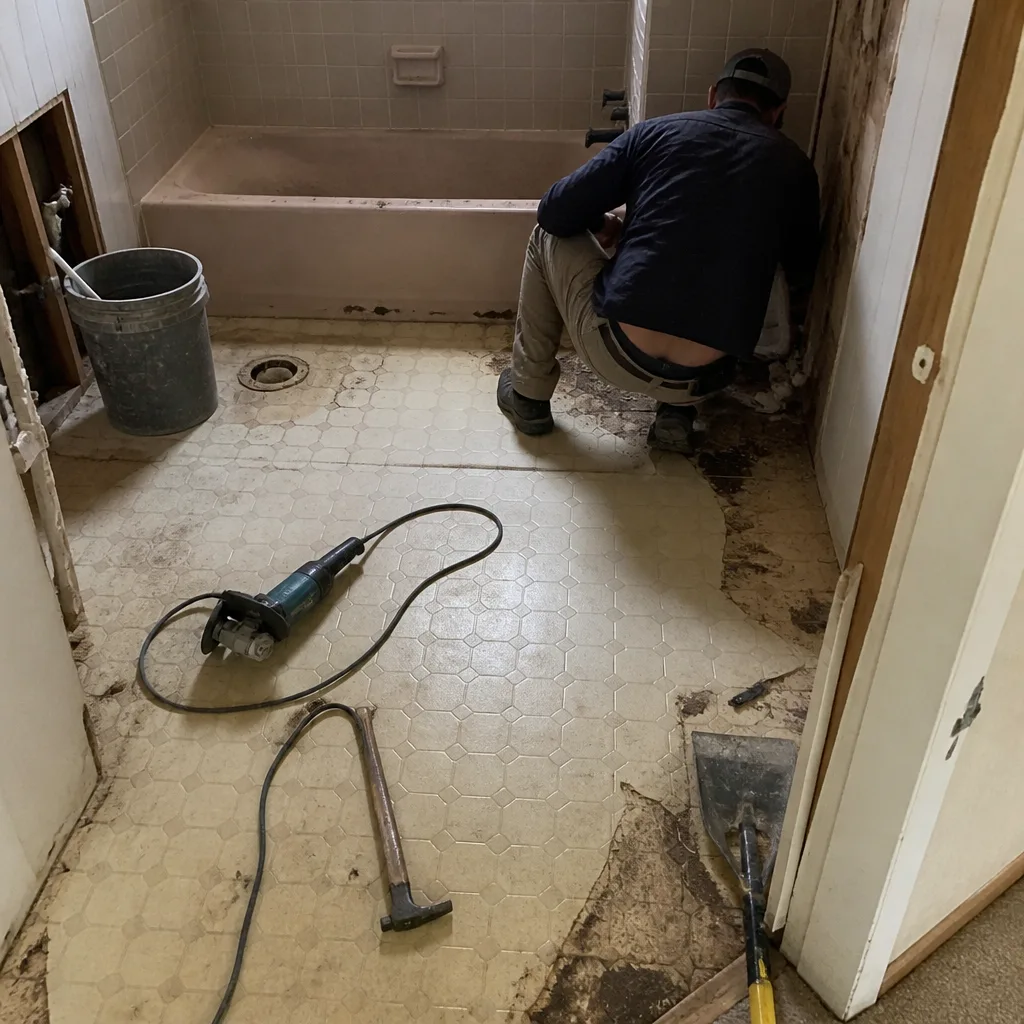
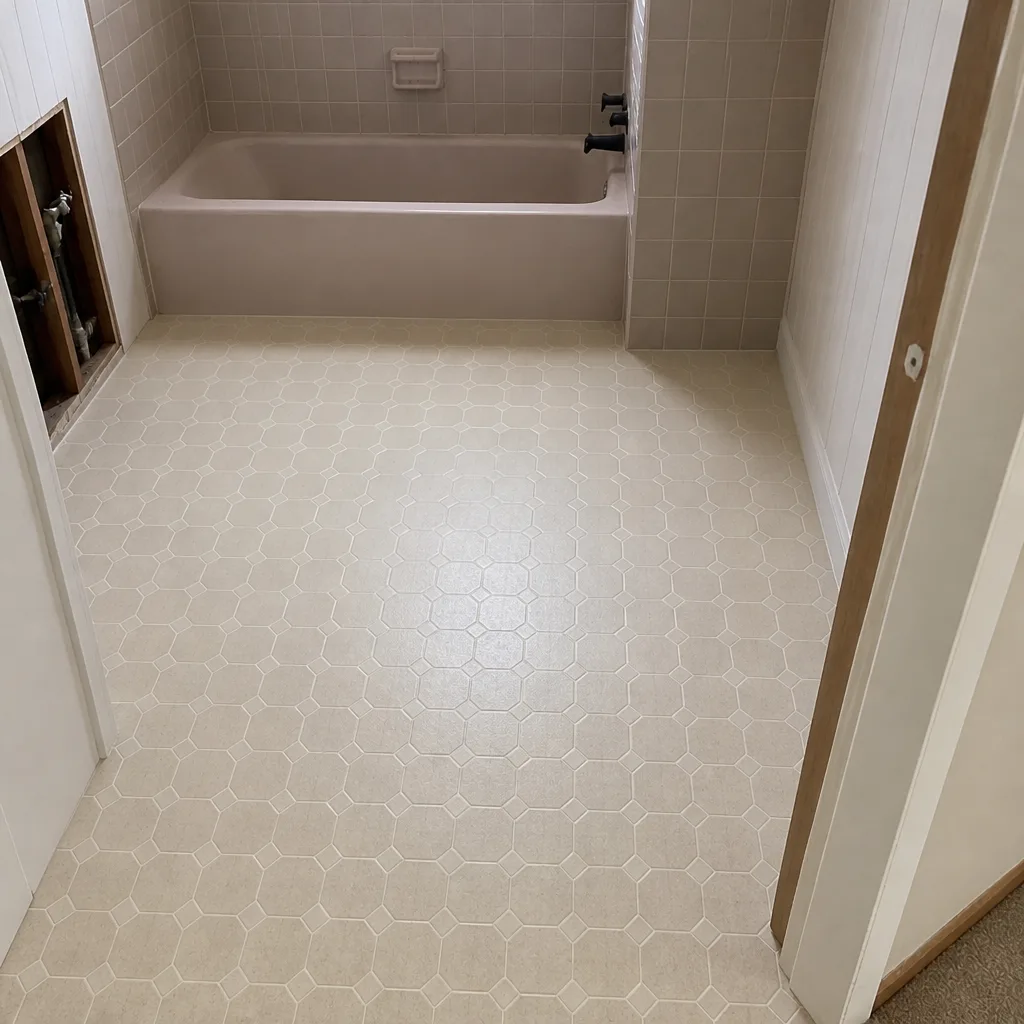
See the difference
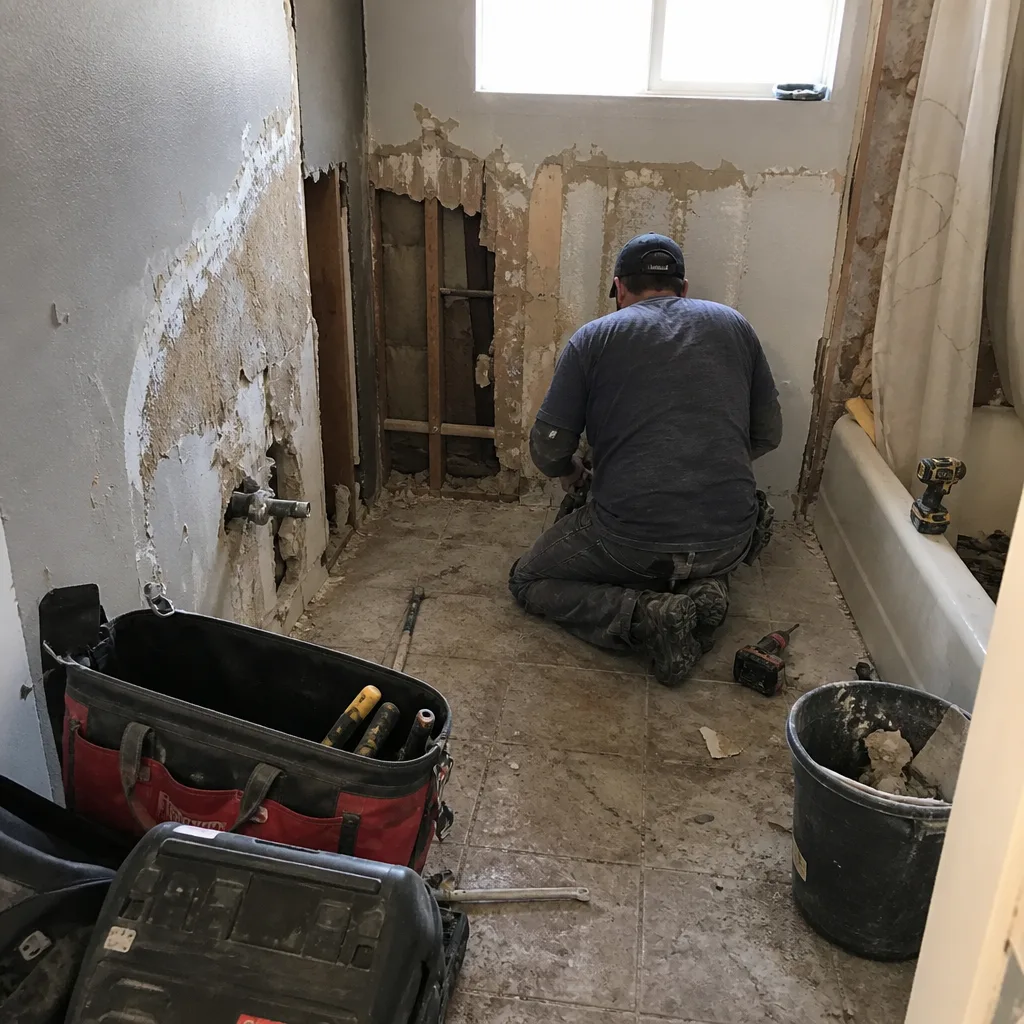 Before
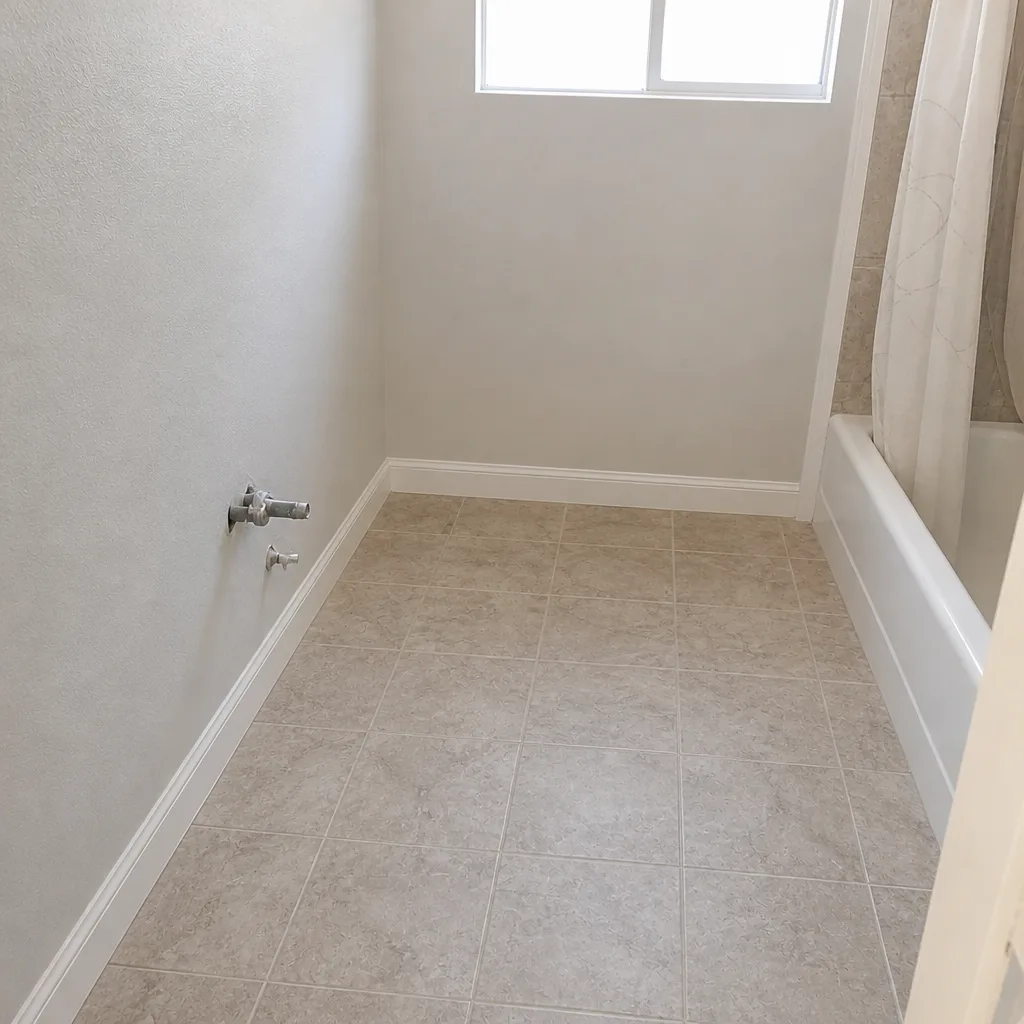 After
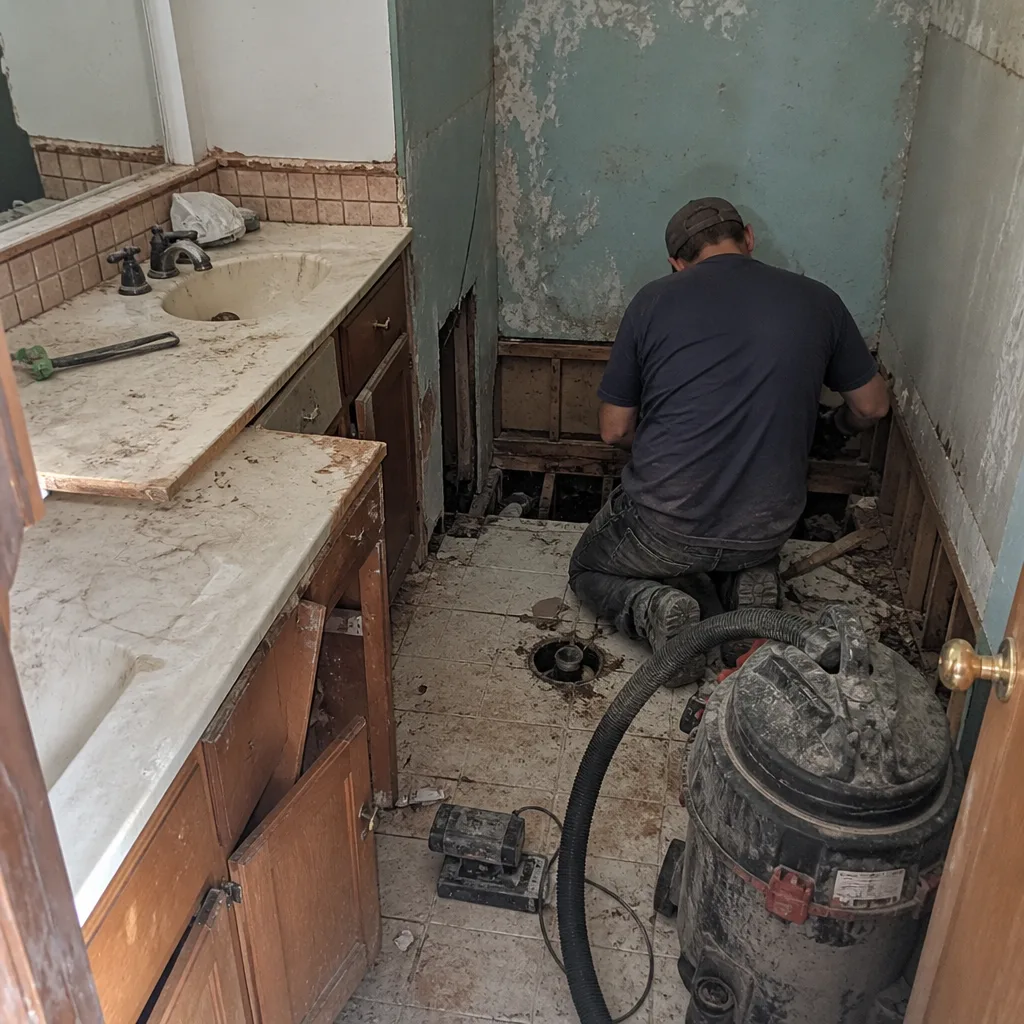 Before
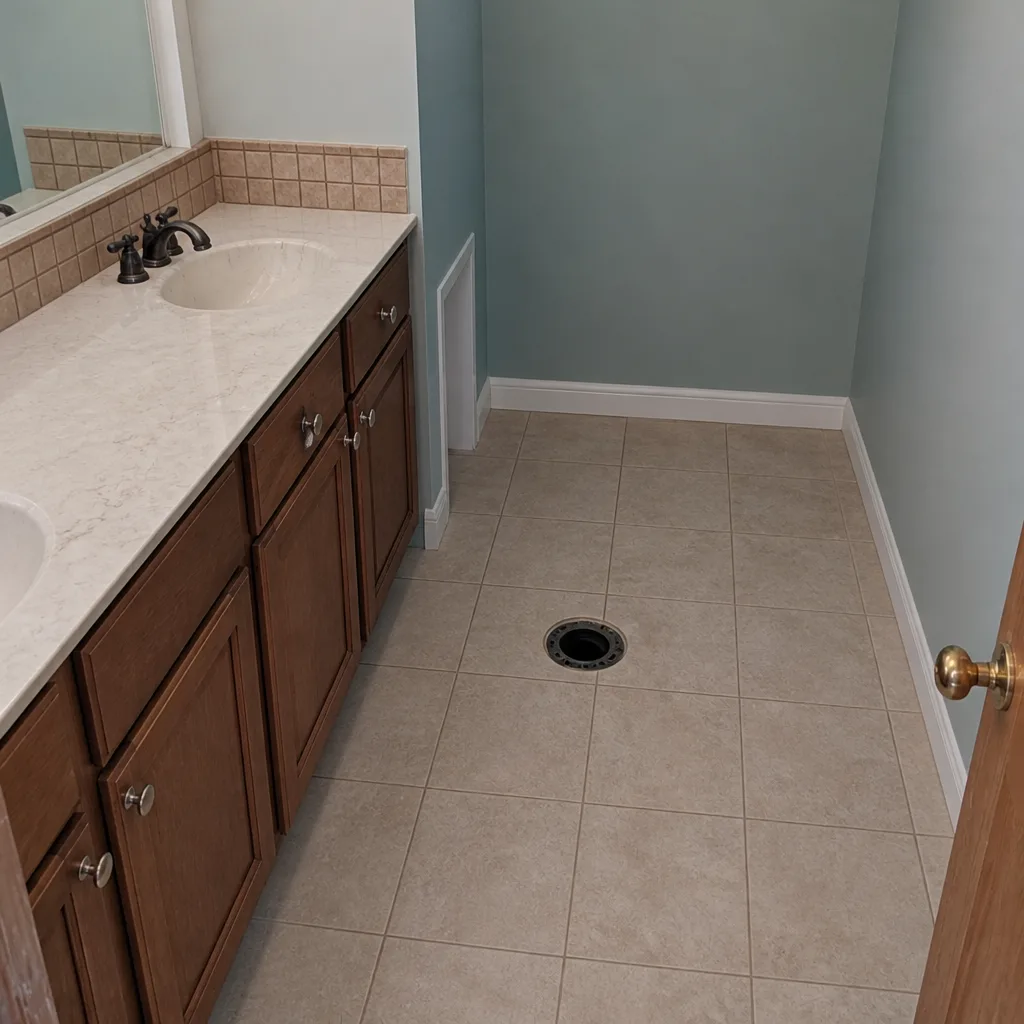 After
 Before
 After