
Last updated November 17, 2026
 Walk-in shower
 Tub-to-shower
 Freestanding tub
 Kohler
 Moen
 Delta
 Frameless glass
Free in-home design visit - walk-in showers, tub-to-shower conversions, and Kohler, Moen, and Delta fixtures planned to your exact space
Seasonal Bathroom Remodeling Care for Paradise: Year-Round Homeowner’s Guide
Winter in Paradise sounds mild on paper, so most seasonal bathroom advice skips right past it. That’s a mistake. Overnight lows here dip into the 30s while indoor heating runs at full draw, and that swing puts the same expansion and contraction stress on tile, grout, and caulk that a freeze-thaw cycle does in colder climates. Paradise doesn’t really have four traditional seasons. It has two brutal ones (summer and the heating transition) and two workable ones, and each one hits a bathroom in a different way. This guide walks you through what actually happens to a remodeled bathroom in the Mojave across the calendar year, and what to check and when.
Quick Answer
A remodeled bathroom in Paradise needs four seasonal checkpoints, not just spring cleaning: ventilation checks before summer’s sustained 110°F+ heat, caulk and penetration sealing as the HVAC flips from cooling to heating in fall, supply-line and shutoff inspection during winter’s occasional hard freeze, and grout and mineral-deposit care after the heating season ends. Pair those with year-round water softener and filter upkeep, and your bathroom holds up far longer between remodels.
Styles & brands we work with
- Walk-in shower
- Tub-to-shower
- Freestanding tub
- Kohler
- Moen
- Delta
- Frameless glass
Table of Contents
- Why Paradise Bathrooms Age Differently
- Summer Care: Ventilation Under Sustained Heat
- Fall Care: Sealing Before the Heat Comes On
- Winter Care: Supply Lines and Hard Freezes
- Spring Care: Grout and Mineral Deposits
- Year-Round: Water Softener and Filter Care
- Your 12-Month Bathroom Care Checklist
- How Materials and Brands Change the Calendar
Why Paradise Bathrooms Age Differently
Most seasonal maintenance guides are written for places with a wet spring, a hot summer, a leaf-fall autumn, and a snowy winter. Paradise doesn’t fit that mold. Our calendar splits into a long stretch of sustained triple-digit heat from June through September, a dry shoulder season where the HVAC shifts from cooling to heating, a winter with genuinely cold nights and the occasional hard freeze, and a spring that arrives quietly and mostly matters for what the heating season left behind.
That pattern creates a specific set of stresses on bathroom materials. Tile and grout move with temperature. Caulk loses its grip faster when one side of a wall is heated indoor air and the other is a cold exterior wall. Wood vanities and their substrates swell and shrink with indoor humidity swings more than with outdoor weather. And hard water keeps working on every surface year-round regardless of the season, laying down mineral deposits that etch into stone and dull polished fixtures if left alone.
In our experience working on bathroom remodeling across Paradise, the bathrooms that age gracefully are the ones where the homeowner treats the calendar as a maintenance schedule, not just a design exercise. A bathroom finished with Bathroom Remodeling Paradise and cared for on a seasonal rhythm lasts noticeably longer between full renovations than one that gets attention only when something fails.
The good news is that most of these seasonal tasks are simple inspections and small fixes, not projects. The sections below break down each one so you know what to look at and when, without keeping a maintenance log in your head.
Summer Care: Ventilation Under Sustained Heat
Summer in Paradise means weeks of 110°F+ outdoor temperatures, and your exhaust fan is working harder than you might realize. The attic or roof cavity the fan vents into gets much hotter than the outdoor air, which raises the operating temperature of the fan motor itself. A fan that’s already marginal can start to bog down, rattle, or fail entirely in July and August, right when your bathroom is being used most.
Here’s how to check your ventilation before the worst heat arrives:
- Turn the fan on and hold a piece of toilet paper near the grille. If it doesn’t pull the paper tight against the grille, airflow is weak.
- Listen for rattling, grinding, or a motor that sounds like it’s straining. Those are early signs of bearing wear.
- Check that the fan actually exhausts outdoors and not into the attic. Duct runs that terminate inside the roof cavity dump warm, moist air where it can cause problems.
- Look at the exterior vent hood for lint, dust, and bird nests. A blocked hood cuts airflow even when the fan is healthy.
- Clean the grille and the fan blades with a vacuum and a damp cloth once before summer starts.
If the fan is old, noisy, or undersized for the room, a replacement is one of the highest-value upgrades you can make during a remodel. A properly sized fan clears steam fast, which keeps paint, grout, and caulk from absorbing moisture and cuts down on mildew in corners. Quiet, well-built models from brands like Delta or Moen are a common choice when we replace a fan during a walk in shower installation, because a steamy walk-in shower benefits most from strong ventilation.
One more summer habit worth building: run the fan for a full ten to fifteen minutes after you shower or bathe, not just while you’re in the room. That clears residual moisture before it settles into grout lines and behind caulk beads.
Fall Care: Sealing Before the Heat Comes On
Fall is when Paradise’s indoor air shifts from cooling to heating, and that transition is a good trigger for a caulk and sealing inspection. Windows and exhaust vent penetrations are the spots that move most. As outdoor temperatures drop and indoor air warms, the gap between those two conditions widens, and any caulk joint on an exterior wall gets worked harder than it did in summer.
What to check when the HVAC flips:
- Window perimeters in the bathroom: run a fingertip along the caulk bead where the frame meets the wall. Cracks, gaps, or caulk that peels away cleanly with light pressure means it’s time to recaulk.
- Exhaust vent penetration: where the duct passes through the wall or roof, the sealant around the opening should be intact. A cracked seal here lets in warm air, dust, and insects.
- Around the tub or shower base: the caulk line where the base meets the floor or wall takes constant moisture. Fall is a good time to strip and replace it before it fails quietly.
- Vanity backs and sides: caulk joints against the wall can split as the wood vanity and the wall move at different rates.
Use a silicone caulk rated for kitchens and baths and give it the full cure time on the tube before exposing it to water. Don’t paint over failing caulk, and don’t skip the joint because it looks “mostly fine.” A small bead of caulk replaced in October is far cheaper than water damage discovered in March.
Fall is also a good time to do a walk-through of the whole bathroom and write down anything that looks tired, cracked, or loose. Those notes become the priority list when you start planning a remodel or a tub-to-shower conversion.
Winter Care: Supply Lines and Hard Freezes
Winter is the season people underestimate in Paradise. Nights get cold enough for hard freezes several times a season, and that’s when exposed plumbing in exterior walls is most at risk. A supply line that runs through an exterior wall or an unheated garage space can freeze and burst, and the resulting damage is one of the most expensive things that can happen to a bathroom.
Here’s how to prepare before the first cold snap:
- Locate your shutoff valves for the whole house and for each fixture. Every adult in the house should know where they are and which direction turns them off.
- Inspect exposed supply lines in cabinets under sinks, behind the toilet, and inside any exterior wall. Look for missing insulation, cracks, or corrosion.
- Open cabinet doors under sinks on the coldest nights to let warm indoor air reach the pipes.
- Insulate exterior-wall supply runs with foam pipe sleeves. This is cheap and effective.
- Check the shutoffs themselves. A shutoff that won’t turn or is crusty with mineral buildup is a liability if you need it in a hurry.
If your bathroom has an exterior wall with a vanity or toilet supply behind it, that’s the highest-risk area. Bathroom remodels are the right time to correct this. In our experience, a well-planned remodel can route supply lines away from exterior walls or add insulation around them during the rough-in stage, and that change alone reduces freeze risk for the life of the remodel. Brands like American Standard and Kohler offer shutoff and supply fixtures with solid, replaceable components, which makes maintenance easier.
If you notice a pipe has frozen but hasn’t burst, shut the water off at the main and call a plumber. Don’t try to thaw a pipe with an open flame. Warm it slowly with a hair dryer or by wrapping it in warm towels, and never work on a supply line you’re not sure is fully shut off.
Spring Care: Grout and Mineral Deposits
Once the heating season winds down in Paradise, spring is the time to inspect grout and remove mineral deposits. This matters more here than in most places because our water is hard, and hard water leaves calcium and magnesium deposits on every surface it touches. Left in place, those deposits can etch into natural stone, dull polished tile, and stain grout lines.
Spring checklist:
- Walk the grout lines in the shower, on the floor, and behind the toilet. Look for cracks, missing chunks, and lines that have crumbled after the winter’s temperature swings.
- Check the shower pan and corners where water pools. Grout that stays damp and starts turning dark is a sign moisture is soaking in.
- Clean mineral deposits on glass, tile, and fixtures with a mild acidic cleaner. Avoid harsh scouring pads on polished surfaces.
- Seal grout once it’s clean and fully dry. A penetrating sealer slows water absorption and buys you time between deep cleans.
- Inspect the shower curb and door seals for gaps or loose caulk lines.
If grout is cracking in a shower or on a floor, that’s a sign to look deeper. Hairline cracks may just need a patching product, but widespread cracking can mean moisture is getting into the substrate. Waterproofing quality is what determines whether a cracked grout line becomes a structural problem or just a cosmetic annoyance. Bathrooms built with Schluter Systems waterproofing membranes handle this better, because the waterproof layer is behind the tile and grout, where surface cracks can’t compromise the structure. This is one reason we prefer Paradise projects to include a proper Schluter-backed waterproofing detail. The hidden work is what protects the whole thing over time.
Grout is worth taking seriously. It’s the surface that most clearly tells you what’s happening beneath it.
Year-Round: Water Softener and Filter Care
Paradise water is hard, and that’s the single biggest factor behind how your bathroom fixtures and surfaces age. Mineral deposits, water spotting on glass, scale on shower heads, and dulled finish on chrome all trace back to water chemistry. The seasonal rhythm of cleaning and inspection above helps, but a properly maintained water softener and filter is what reduces the load year-round.
What to maintain:
- Water softener salt levels: check monthly and top up before the salt runs out. A softener that’s run dry is doing nothing.
- Filter replacement schedule: follow the manufacturer’s recommendation, not your own sense of “it still looks fine.” Filters lose effectiveness quietly.
- Softener regeneration cycle: confirm the unit’s settings match your actual water hardness. A system set up wrong can be worse than none at all.
- Shower head cleaning: remove and soak it in a mild acidic solution quarterly to clear scale from the nozzles.
- Glass shower doors: squeegee after every use. Glass sealed with a protective coating holds up longer, and a clean glass door with a bathroom remodeling finish feels dramatically better day to day.
If your home doesn’t have a softener, that’s worth addressing during the planning phase of any remodel. Softer water means less scale on fixtures, easier cleaning of everything, and a shower that keeps looking new for longer. It’s not an exciting upgrade, but it changes the daily experience of a bathroom more than almost anything else on the list.
Your 12-Month Bathroom Care Checklist
Here’s the full calendar in one place. Print it, stick it inside a cabinet door, and use it as your reminder across the year.
- Late Spring (May): clean exhaust fan and grille, check the vent hood, run the airflow test. Replace the fan if it’s old or undersized.
- Early Summer (June): confirm the fan runs for ten to fifteen minutes after showers, check exterior vent penetration for blockage.
- Late Summer (August): do a full caulk walk-through across the tub, shower, sinks, and vanity joints; make a list of anything that looks tired.
- Fall (October): recaulk windows and exhaust penetrations before the HVAC shifts to heating. Inspect tub and shower base caulk lines.
- Late Fall (November): locate and test shutoffs, inspect supply lines in exterior walls and under sinks, insulate exterior runs.
- Winter (December – February): on cold nights, open cabinet doors and keep indoor air warmed. Watch for any sign of frozen lines.
- Spring (March – April): inspect grout for cracks and gaps, clean mineral deposits from tile and glass, reseal grout once dry.
- All year: keep water softener salt topped up, replace filters on schedule, squeegee glass doors, soak shower heads quarterly.
The point isn’t to spend hours on your bathroom every month. It’s to make the small inspections regular enough that a five-minute check catches something before it becomes a repair. Bathrooms fail slowly and then suddenly. Regular checkpoints keep you in the slow phase.
How Materials and Brands Change the Calendar
What your bathroom is made of changes how much seasonal care it needs. A tile shower with proper waterproofing under it behaves differently than a prefab unit. A solid wood vanity responds to humidity swings more than a laminate or thermofoil one. Glazed porcelain tile cleans up more easily than natural stone, which is more porous and stains faster when mineral deposits sit on it. Understanding your own materials helps you focus seasonal attention where it actually matters.
Fixtures matter too. Faucets and shower heads from Kohler, Moen, and Delta hold up well when they’re cleaned on schedule, and they have replaceable cartridges and valve components that extend the useful life of the whole fixture. Entry-level fixtures from a brand like American Standard or Sterling are perfectly sound options and still benefit from the same maintenance rhythm. Higher-grade hardware from Toto and Grohe tends to be built with tighter tolerances and better finishes, which makes the daily cleaning routine easier to keep up with, but no fixture is maintenance-free. The seasonal checks apply regardless of brand.
The materials that most affect your calendar are the hidden ones. Waterproofing, substrate, and behind-the-tile work determine whether your bathroom survives ten years of Mojave temperature swings or starts showing problems in three. That’s why we work with Schluter Systems for waterproofing and transitions. It’s a professional-grade detail that most surface-level remodelers skip, and it changes the answer to the question “how long will this bathroom last?” Getting the hidden work right at the start means the seasonal care from then on is manageable and cheap.
Common Mistakes to Avoid
- Treating Paradise winters as mild enough to skip freeze prep. Overnight lows hit the 30s regularly, and a burst supply line costs far more than the ten minutes it takes to insulate a pipe. Prepare every November.
- Recaulking only the tub and ignoring the windows. Window perimeters and exhaust penetrations on exterior walls are where air and moisture leak in. Recaulk them in fall, not just the tub.
- Waiting for the fan to fail before replacing it. A bogging-down fan in August is already costing you moisture control. Replace it before summer, and check airflow every May.
- Scrubbing hard water stains with abrasive pads. Abrasives scratch glass and polish, which makes deposits stick faster next time. Use a mild acidic cleaner and a soft cloth.
- Letting the water softener run dry. A softener with no salt in it does nothing, and you’ll still see scale on shower heads and glass. Check salt monthly.
- Ignoring hairline grout cracks in the shower. Small cracks widen with temperature swings, and once moisture gets behind the tile, the problem becomes expensive. Inspect grout every spring.
- Planning a remodel around design only, not materials. Finish choices that ignore Paradise’s hard water and heat swings cost more to maintain later. Ask what each finish needs to stay looking good.
See the difference
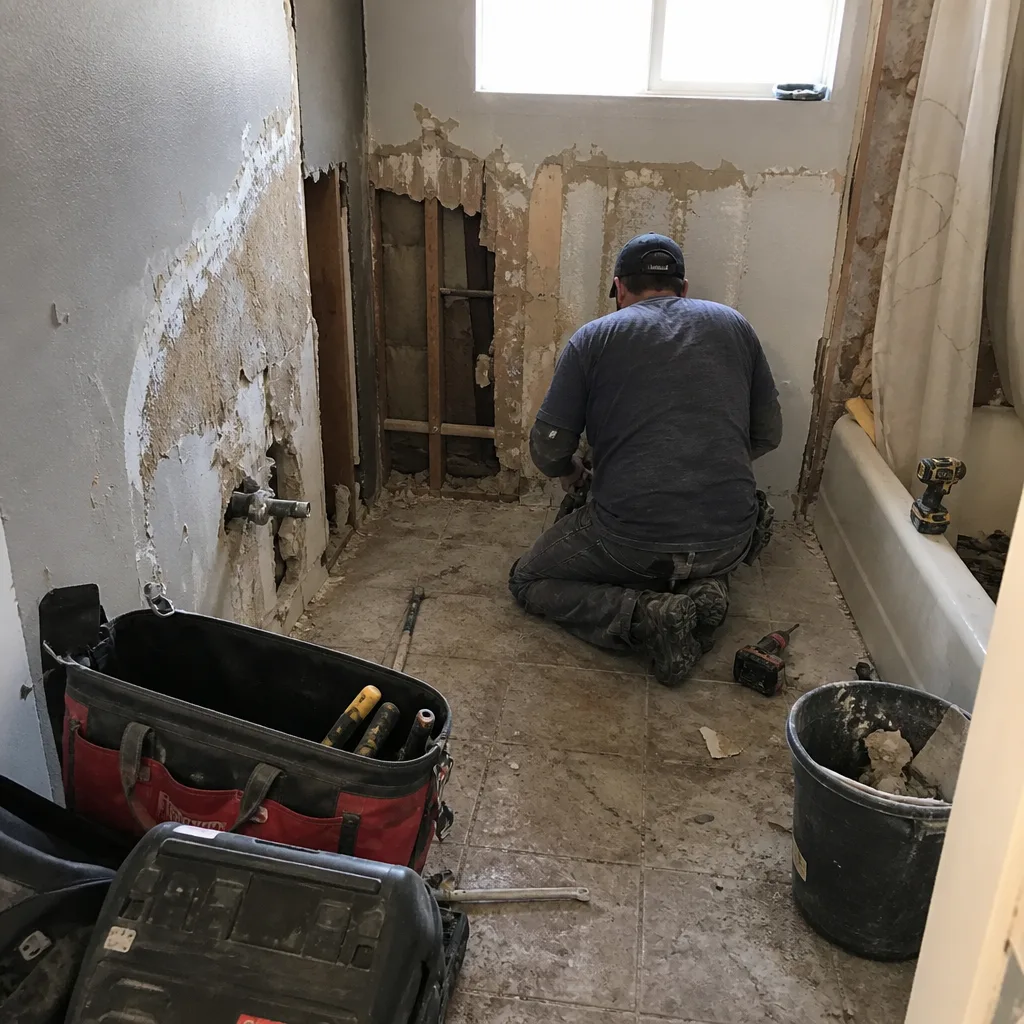 Before
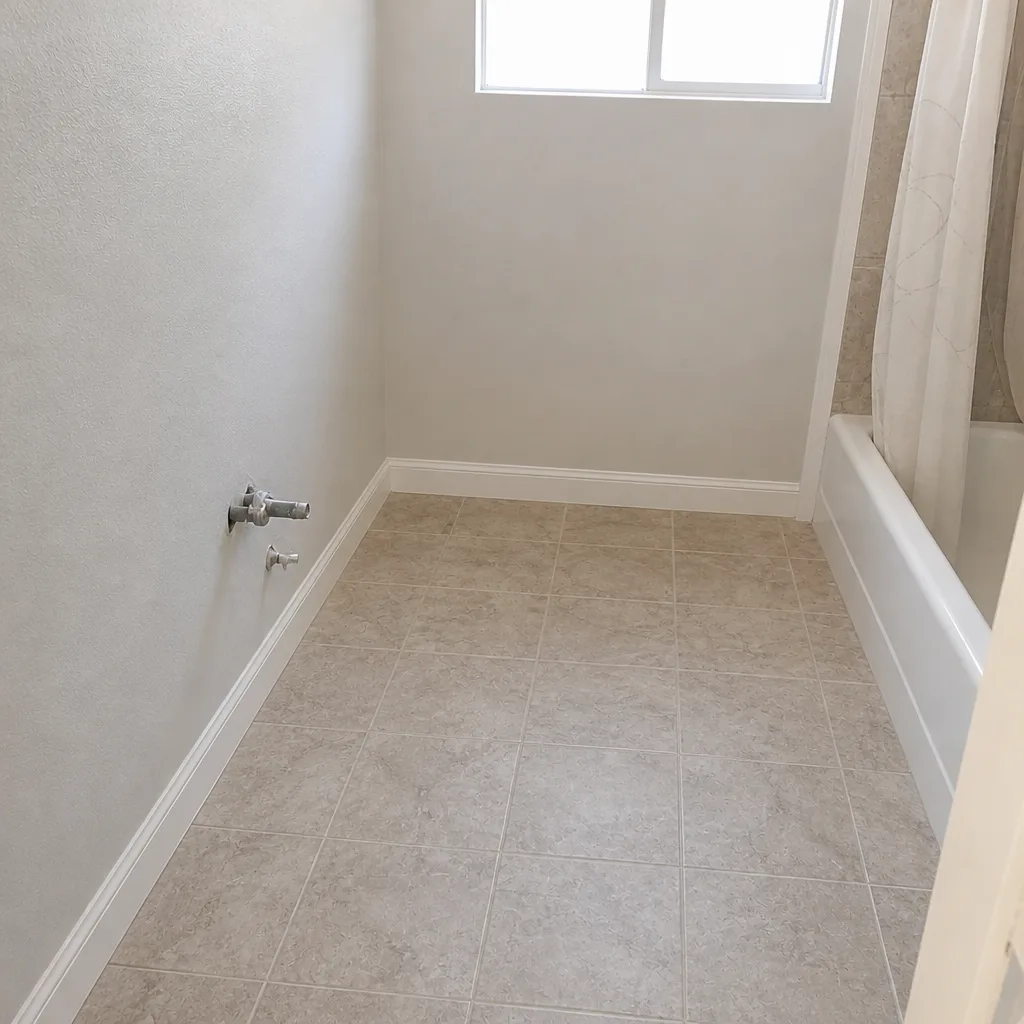 After
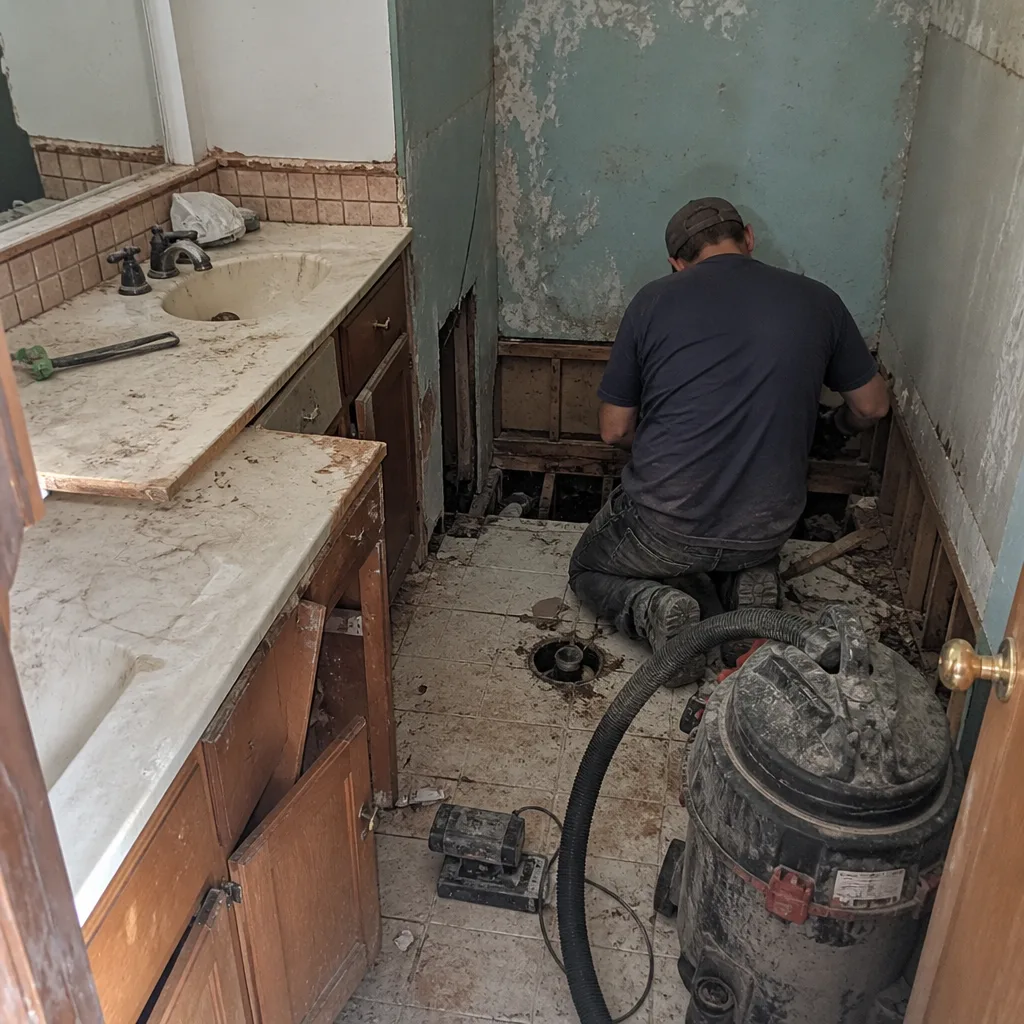 Before
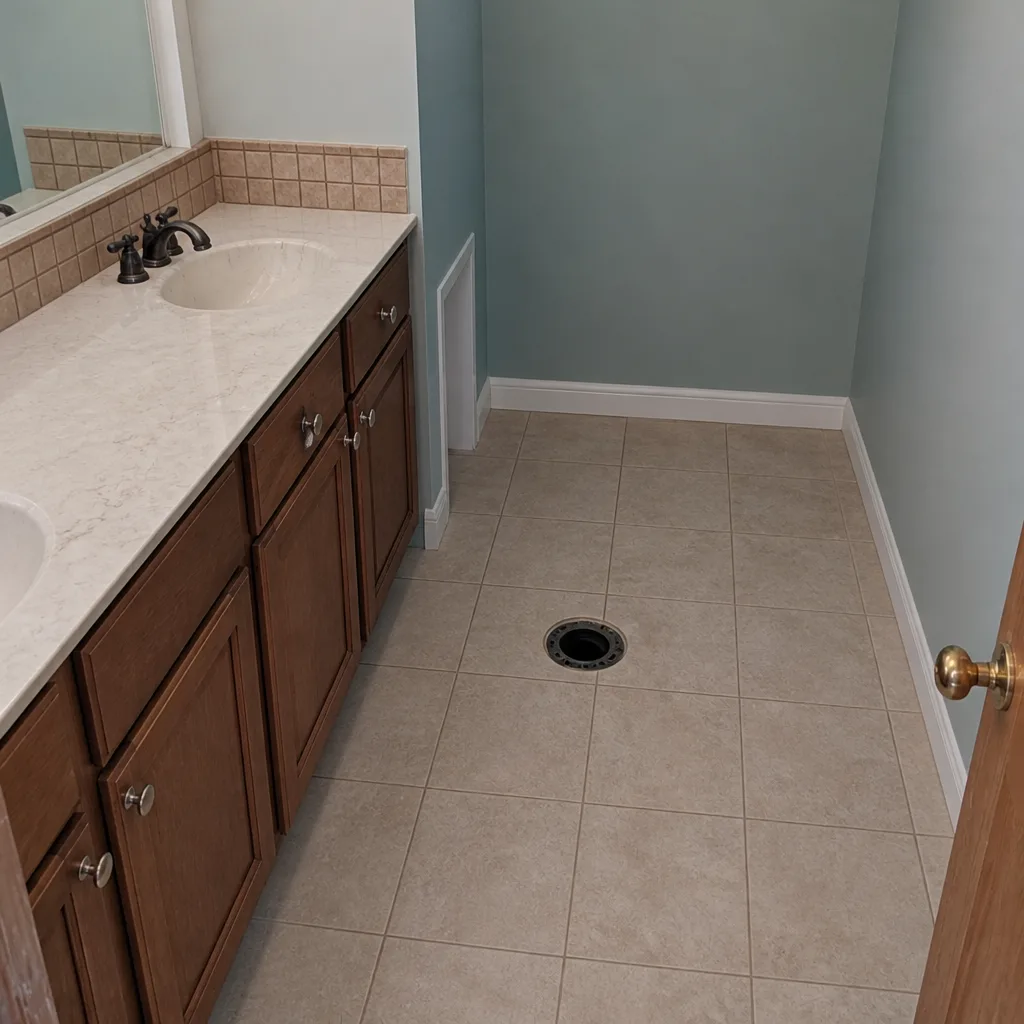 After
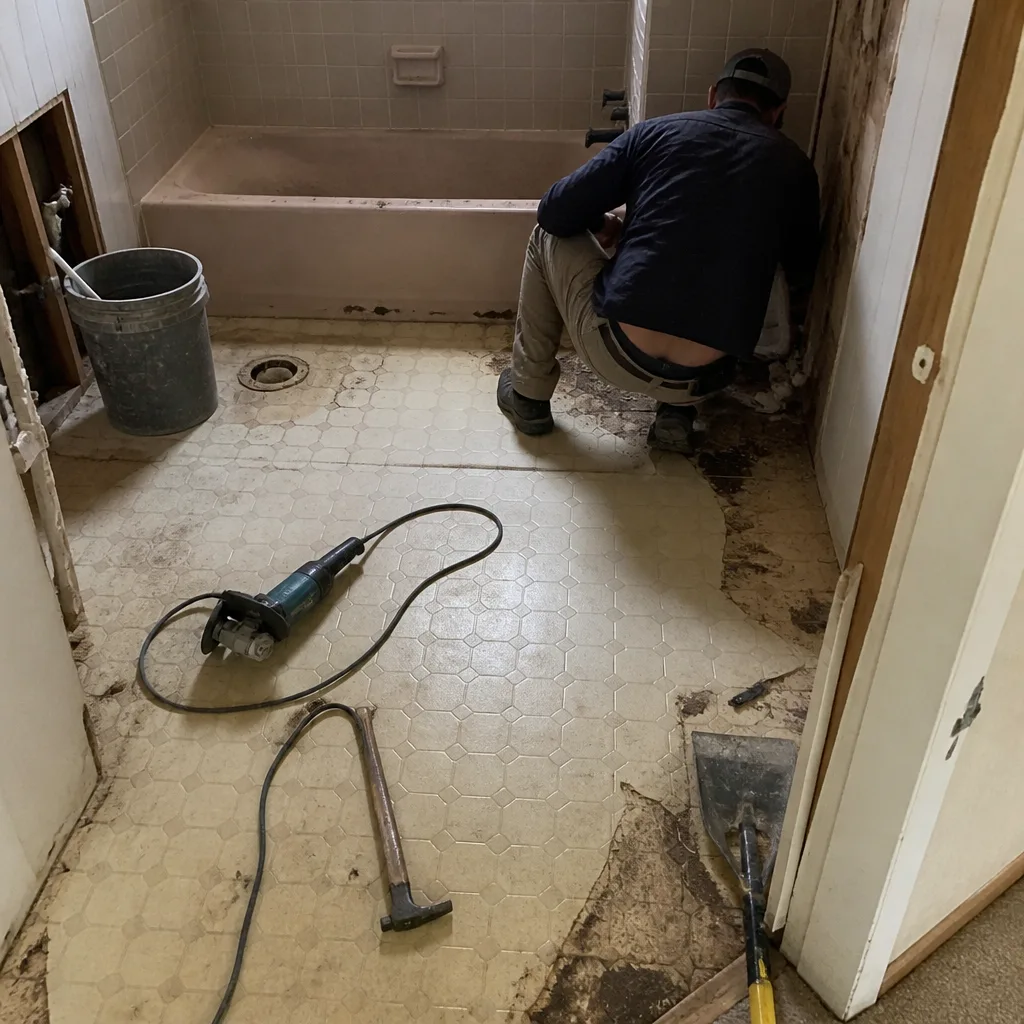 Before
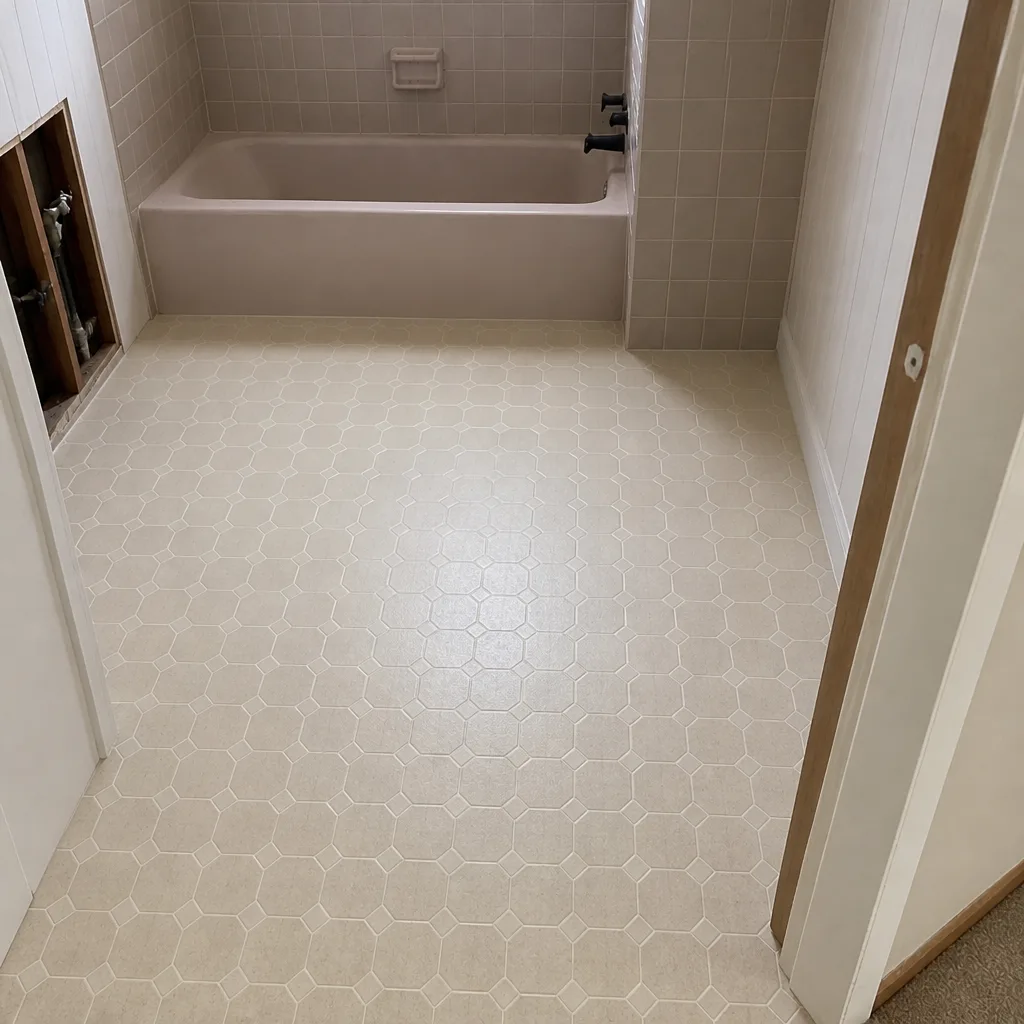 After
When to Call a Professional
Call a professional when grout cracks keep reappearing in the same area, when a fan replacement doesn’t solve persistent moisture or mildew, when you find water damage behind a wall or under a floor, or when shutoffs and supply line components are visibly aging and you’re not confident in repairing them yourself. Seasonally, you should call when you’re ready to plan a remodel, a walk-in shower installation, or a tub-to-shower conversion and want a proper estimate on the hidden waterproofing work that will protect the whole project for years. Bathroom Remodeling Paradise offers free estimates in Paradise. Call (888) 349-5908. We answer 24/7. Fast dispatch from 7am to 7pm, Sunday through Friday.
Please note: shutoff valves, supply lines, and anything tied to active water or electrical service carry real risk. If you’re unsure, stop and call a licensed professional. Our technicians have up to 15 years of experience and can help you decide what needs attention now versus what can wait.
Frequently Asked Questions
Check it every May before summer heat arrives, and clean the grille and blades at least once a year. A quick toilet-paper airflow test tells you if the fan is pulling properly. If it rattles, sounds strained, or fails the airflow test, replace it before the 110°F+ season hits.
Yes. Overnight lows regularly dip into the 30s, and hard freezes happen several times each winter. Supply lines in exterior walls and under sinks in unheated cabinets are the highest risk. Insulate exposed runs, open cabinet doors on cold nights, and know where your shutoffs are.
They can etch natural stone, permanently dull polished tile, and stain grout if left in place long enough. Regular cleaning with a mild acidic cleaner and a maintained water softener prevents most of this. If your shower glass looks cloudy, mineral removal plus a protective coating restores and protects it.
Grout, followed by mineral deposits on tile and glass. Winter temperature swings work on grout joints all season, and the cracks show up in early spring. Clean, seal, and inspect before the summer heat begins.
Yes, if you’re remodeling anyway. Choosing materials and waterproofing that handle Paradise’s climate well reduces how much seasonal care the finished bathroom needs. A proper Schluter-backed waterproofing layer behind tile is one of the highest-value choices for long-term durability.
Call (888) 349-5908 to schedule a free estimate. We answer 24/7. Fast dispatch from 7am to 7pm, Sunday through Friday. We’ll walk through your bathroom, talk about materials and waterproofing, and provide a written estimate set per job.
The Bottom Line
Paradise’s climate puts unique stress on a bathroom, and seasonal care is what keeps a good remodel looking good. Check ventilation before summer, recaulk windows and penetrations in fall, inspect supply lines before winter freezes, clean grout and mineral deposits in spring, and keep the water softener and filters maintained all year. None of these tasks take long, and together they add years to the life of your bathroom. If this year’s inspection turns up problems you’d rather solve with a proper remodel, or if you’re ready to plan a walk-in shower or tub-to-shower conversion, call (888) 349-5908 for a free estimate. Bathroom Remodeling Paradise works with Kohler, Moen, Delta, American Standard, Toto, Grohe, and Schluter Systems to build bathrooms that hold up to the calendar here.
Written by the team at Bathroom Remodeling Paradise.