
Last updated November 17, 2026
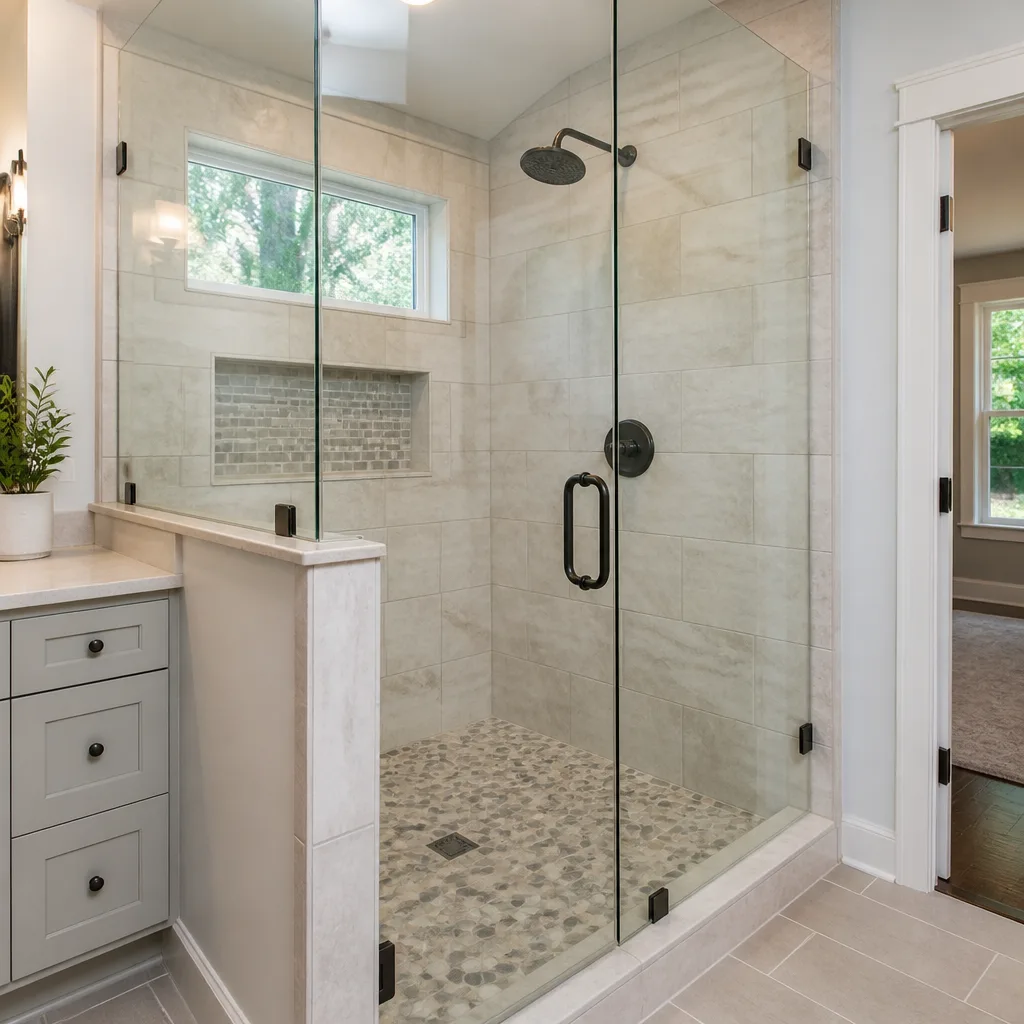 Walk-in shower
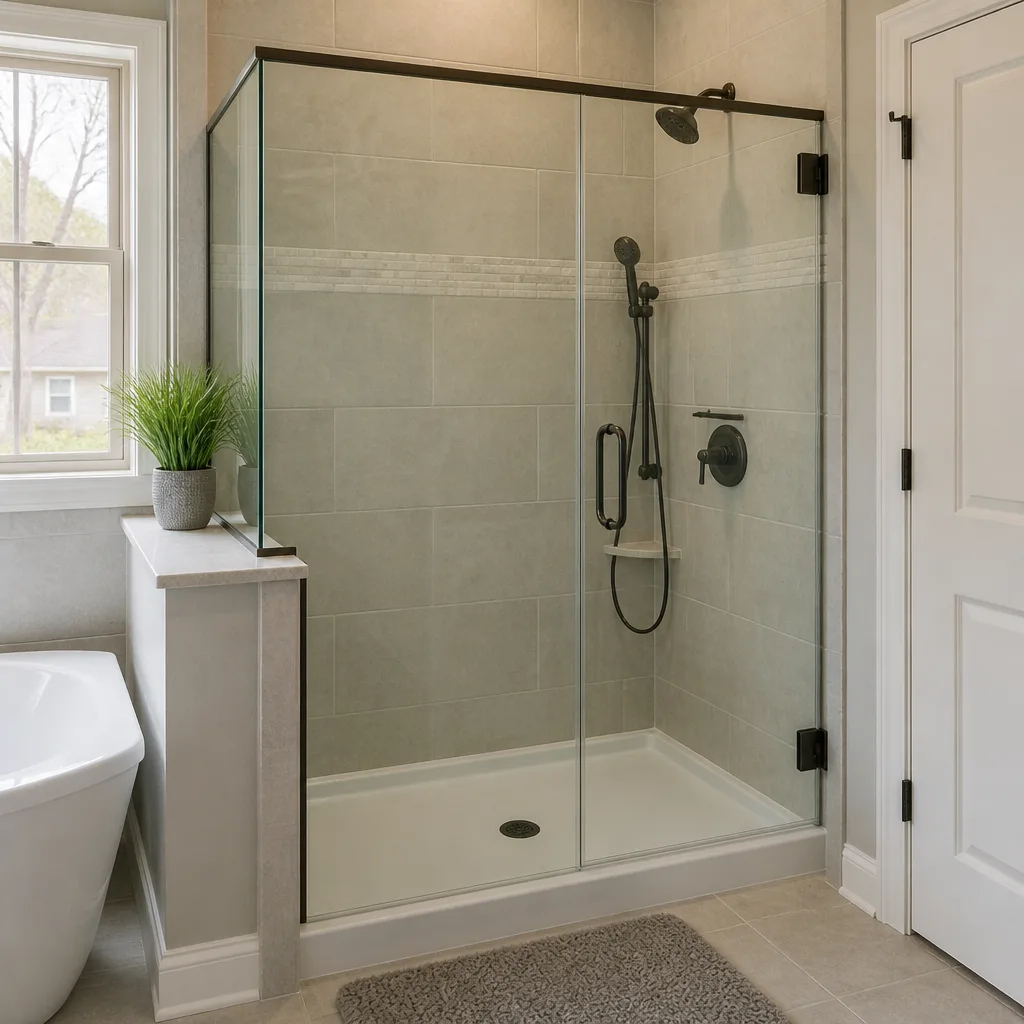 Tub-to-shower
 Freestanding tub
 Kohler
 Moen
 Delta
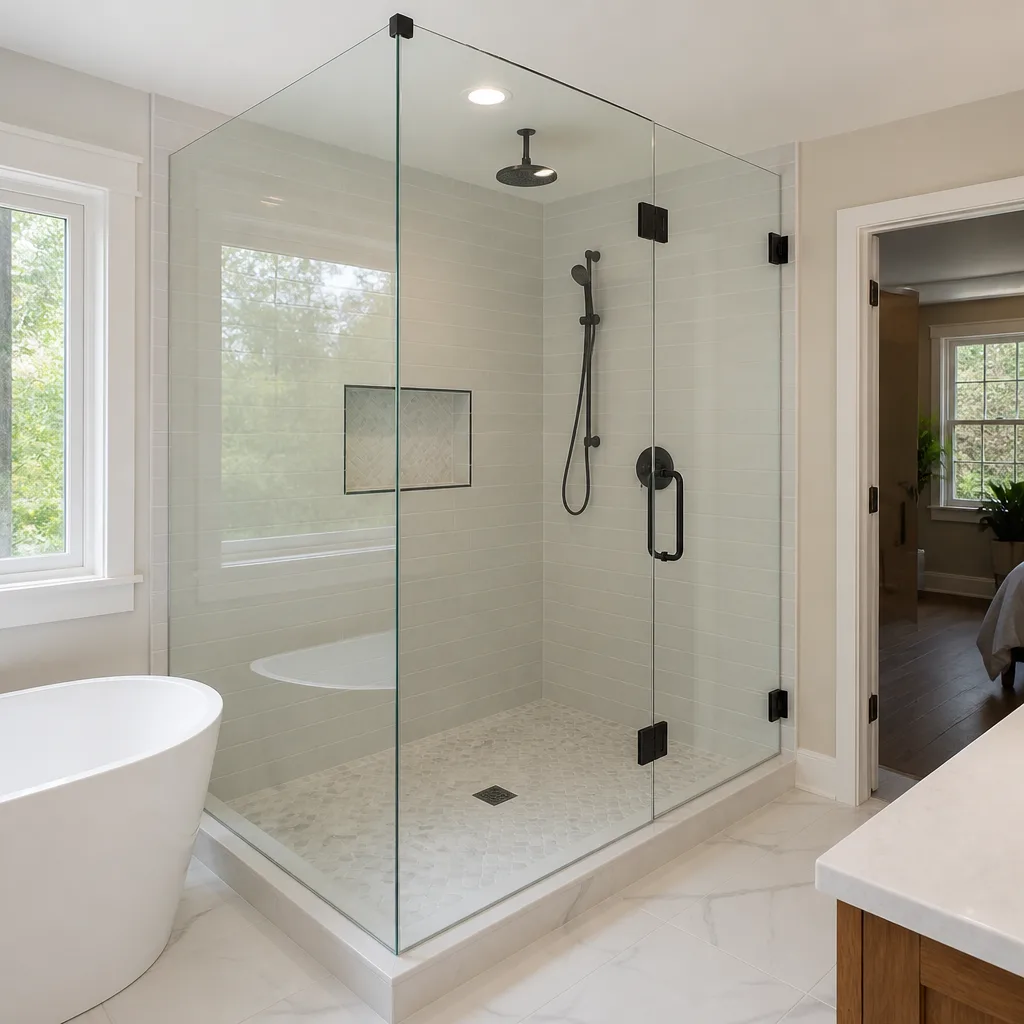 Frameless glass
Free in-home design visit - walk-in showers, tub-to-shower conversions, and Kohler, Moen, and Delta fixtures planned to your exact space
Bathroom Remodeling Troubleshooting in Paradise: Common Problems and How to Fix Them
A grout line that cracks within six months isn’t a grout problem. It’s almost always a substrate or movement problem that the grout is simply revealing. Treating the symptom – scraping out the old grout, smearing in new – wastes your money and buys you maybe a year before the same crack reappears two tiles over. This guide is built on a different idea. Most bathroom remodel problems in Paradise aren’t bad luck. They’re predictable failure patterns traceable to a specific decision made during planning, material selection, or installation sequencing. Diagnose the cause and you fix it once. We’ll walk through the failures we see most in Paradise, how to trace each one back to its root, and what actually stops it from coming back.
Styles & brands we work with
- Walk-in shower
- Tub-to-shower
- Freestanding tub
- Kohler
- Moen
- Delta
- Frameless glass
Quick Answer
Most bathroom remodel problems in Paradise trace to four root causes: mineral-heavy water attacking fixtures and grout, tile installed over a substrate that moves, exhaust fans that can’t keep up with Nevada’s temperature swings, and finish failures caused by the wrong cleaning product. Fixing the symptom without correcting the underlying decision means the problem returns. A free written estimate and a diagnosis of the cause will usually save more than a cheap patch job costs.
Table of Contents
- 1. Why Paradise’s Hard Water Wrecks Fixtures and Grout
- 2. The Tile-to-Substrate Mismatch Behind Cracked Shower Grout
- 3. Troubleshooting a Slow Drain That Isn’t a Clog
- 4. Why Your Bathroom Fan Fogs Up Anyway
- 5. Fixture Finish Failures and the Cleaning Products Behind Them
- 6. Waterproofing Failures You Can’t See Until It’s Late
- 7. Tub-to-Shower Conversion: What Goes Wrong and Why
- Common Mistakes to Avoid
- When to Call a Professional
- Frequently Asked Questions
- The Bottom Line
Why Paradise’s Hard Water Wrecks Fixtures and Grout
Paradise sits on groundwater with some of the highest mineral content in Nevada – heavily mineralized water with a lot of dissolved calcium and magnesium. That matters because hard water doesn’t just leave spots. It deposits scale on every surface it touches, and it does it faster here than the national average most product warranties were written against.
What that looks like in a bathroom remodel context:
- Grout staining that darkens in the shower floor within months, not years. Cementitious grout is porous, and mineral-rich water fills those pores and sets.
- Fixture pitting and clouding, especially on chrome and on any low-grade plating. Hard water scale sits on the finish, traps moisture underneath, and the finish begins to fail from the micro-pitting outward.
- Shower glass etching – the cloudy film on glass that won’t scrub off. That film is mineral etching, and it’s permanent once it sets.
- Toilet and faucet internals scaling up and losing flow or pressure long before the cartridge should wear out.
The fix is material specification, not cleaning harder. Choose epoxy grout instead of cementitious grout on shower floors and walls – it’s far less porous and resists mineral staining. Choose finishes rated for it: Kohler and Grohe both offer finishes engineered to resist scale and tarnish better than standard plating. Choose a glass treatment that repels mineral deposit instead of bare glass. And if your water is this hard, a whole-house softener is a genuine remodel upgrade, not a luxury. Get the material spec right during the design phase and you’ll spend years not scrubbing.
The Tile-to-Substrate Mismatch Behind Cracked Shower Grout
Here’s the root cause most homeowners never hear: cracked grout in a shower surround is rarely a grout problem. It’s a movement problem. Tile is rigid. Grout is rigid. When the substrate beneath the tile flexes – even by a fraction of an inch – something has to give, and the grout gives first. That’s why patching grout without fixing the substrate behind it never holds.
The diagnosis before you rip anything out:
- Tap-test the tile. A hollow, drum-like sound under a tile means the thinset didn’t bond. Hollow tiles over a flexing substrate are the classic cracked-grout precursor.
- Look at where the cracks run. Cracks that follow a straight line – along a seam, a corner, or a stud line – point to substrate movement at that line. Random spider cracks point to a bond failure.
- Check the corner junctions. Grout cracking in the inside corners of a shower is normal if the installer grouted the corners instead of using a flexible sealant. That’s a specific, fixable decision.
- Press the wall. If you can feel any give pressing on the tile field, the backer isn’t doing its job.
- Look for water staining or soft grout behind the cracked line. That means water has already been getting behind the tile, and the substrate may be compromised.
The correct repair depends on what the tap-test finds. If the backer is sound and only the corner junctions cracked, flexible sealant in those joints fixes it. If the backer is flexing or hollow, you’re looking at re-tiling at least that section, because grout will crack again. This is where the substrate spec matters. We install Schluter Systems waterproofing membranes and backer systems specifically because they control movement and manage moisture at the substrate level – Schluter-backed waterproofing is what stops a grout crack from becoming a hidden leak. It’s the difference between fixing the crack and fixing the cause.
Troubleshooting a Slow Drain That Isn’t a Clog
Not every slow drain is a hair clog. In older Paradise homes – and plenty of the housing stock was built decades ago – a drain that empties slowly but never fully clogs is usually a plumbing geometry or venting problem. Snaking it won’t help, because there’s nothing to clear.
How to tell the difference:
- Does it gurgle? A drain that gurgles as it empties points to a venting problem. The drain needs air behind the water, and if the vent stack is blocked or missing, the water pulls air through the trap and gurgles.
- Does the water hold steady, then drop suddenly? That’s often a flat or back-pitched drain line – water pools until it builds enough head to push through. Improper slope during the original install is the cause.
- Do other fixtures back up when you run the shower? That points to a shared line or a vent issue, not a local clog.
- Does it smell? A dry or improperly installed P-trap lets sewer gas through. If the trap is too shallow or the vent is wrong, you’ll get odor as well as a slow drain.
- Is the stopper the problem? Check the simplest thing first – a partially engaged pop-up stopper or a hair-clogged strainer isn’t a plumbing problem at all.
If the gurgle-and-hold pattern fits, the fix is plumbing correction, not drain cleaning. A vent stack that’s blocked or under-sized needs to be addressed, and a drain line with the wrong slope needs re-pitching – which in a remodel means opening the shower floor or the wall to get at it. That’s a call best made during the design phase, not after the tile is set. If you’re planning a walk in shower in Paradise, get the plumbing geometry right before the tile goes down; it’s the single most expensive thing to correct later.
Why Your Bathroom Fan Fogs Up Anyway
An exhaust fan rated “for your square footage” is the wrong fan for a Paradise bathroom about half the time. The reason is that square footage isn’t the only input. Fan performance is measured in CFM – cubic feet per minute – and the CFM you actually need depends on the room’s volume and, critically, on how much moisture the room produces and how fast you need it evacuated. In Nevada’s climate, with hot dry summers and cold winters, the temperature swing across the year changes how condensation behaves on glass and tile, and a fan that’s marginal in summer can be plainly inadequate when the delta between shower steam and cold surfaces is largest.
The CFM math that actually works:
- Start with room volume, not floor area. Length × width × ceiling height gives you cubic feet. For a bathroom with an 8-foot ceiling, a fan should turn that volume over roughly eight times an hour as a baseline.
- Add for the shower. A dedicated shower enclosure produces far more moisture than a bath, so size up the fan or add a second localized exhaust. A fan that clears a room with a tub may not clear a large walk-in shower.
- Check the duct run. A big-CFM fan choked by a long, undersized, or flex duct with too many bends moves far less air than its rating. Short, smooth, rigid duct to the exterior is worth more than a bigger fan.
- Confirm the vent goes outside. A fan ducted into the attic or a soffit vents moisture into the building, which is the failure we see most in older Paradise homes. It has to terminate outdoors.
- Check the pressure balance. A bath fan needs makeup air. If the room is tightly sealed, the fan starves and underperforms.
Fogged mirrors and beads of water on the walls a half hour after your shower mean the fan isn’t moving enough air, not that you need a stronger bathroom heater. If your remodel is in progress, this is the moment to specify the correct CFM and the correct duct path. Getting the CFM right at the fan and the duct right at the wall is the whole game.
Fixture Finish Failures and the Cleaning Products Behind Them
Pitting, discoloration, and cloudy spots on a faucet or showerhead that’s only a couple of years old are usually blamed on the fixture. Most of the time the fixture is fine, and the cleaning product is the culprit. Many common bathroom cleaners – especially anything labeled “scrubbing,” “lime-removing,” or “anti-bacterial” – contain acids or abrasives that attack the finish. Pair that chemistry with Paradise’s mineral-heavy water and the finish fails from the outside in, well before the hardware should.
How it plays out across the three finishes we see most:
- Chrome. The most durable finish for everyday use, but acid-based cleaners etch the plating at the waterline first. The clouding starts at the faucet base and the drain flange, exactly where water pools. Use mild soap and water or a dedicated chrome cleaner; skip the acid bathroom sprays on the chrome.
- Brushed nickel. The matte-ish finish hides water spots well but scratches easily with abrasive pads or powders. Never use a scouring pad. Wipe with a soft cloth and a pH-neutral cleaner, and dry it after cleaning – the finish is more durable than it looks, but abrasives will dull it permanently.
- Matte black. Looks incredible when new and is the most fragile finish to clean wrongly. Harsh chemicals and abrasive cleaners break down the coating, and once matte black discolors, it can’t be polished back. Only mild soap and a soft cloth. And never use a scrub brush on a matte finish, even if a manufacturer’s cleaner is listed as safe for it.
Choose your hardware for the cleaning reality of the household. A Toto or Grohe fixture with the right finish will hold up for years under correct care; a cheap finish under the wrong cleaner won’t survive two. Ask about the finish warranty before you buy – most manufacturers void it if cleaning products attacked the finish.
Waterproofing Failures You Can’t See Until It’s Late
Waterproofing is the one bathroom remodel problem you can’t diagnose from the surface. A shower that looks perfect can be leaking slowly behind the tile for years. The failure shows up as loose tile, a soft spot in the adjoining wall, a stain on the ceiling below, or a musty smell – and by the time you see it, the substrate is usually compromised. This is the failure mode that most surface-level remodelers skip on the way out the door, and it’s the most expensive thing to correct later.
What correct waterproofing involves:
- A continuous membrane over the entire wet area. A properly installed waterproofing membrane covers the shower pan and the walls up to the showerhead height, and it’s continuous – lapped, not just butted – so water can’t find a seam.
- A sloped shower pan under the membrane. The pan has to slope to the drain before the membrane goes on; membrane over a flat pan means standing water.
- A pre-formed curb and pre-formed drain connection. The junction of the shower pan, the curb, and the wall is the most common leak point. Purpose-built seals there matter.
- A flood test before tile. The membrane gets filled with water and held to confirm it holds, before a single tile goes down.
- A proper vapor and moisture barrier in the wall assembly. The wall cavity needs to be built so moisture that gets in can dry out instead of being trapped.
We use Schluter Systems membranes and waterproofing products for exactly this reason. Schluter-backed waterproofing is a professional-grade system engineered to hold at the joins and at the drain, not just where the tile covers it. When we build a walk in shower in Paradise, the membrane and the flood test happen before the finish work – because that’s the part you can’t come back and fix without starting over.
Tub-to-Shower Conversion: What Goes Wrong and Why
A tub-to-shower conversion is the most requested bathroom change we see, and it has its own troubleshooting list – partly because the conversion touches every trade in the room, and partly because it’s often done as an add-on by someone who mostly does other work. The conversions that go wrong share a small number of causes.
- Waterproofing is skipped because the floor “already had a pan.” The old tub was the containment. Once the tub is out, the new shower floor needs a full waterproofed pan and a sloped base – doing the conversion without that rebuild is the most serious failure we diagnose.
- Drain position is left where it was. A shower drain needs to land at the correct center with the correct slope; reusing the tub’s drain location without re-pitching leads to the slow-drain, standing-water problems above.
- The valve and rough-in aren’t adjusted. A shower valve set for a tub spout sits at the wrong height; accessing it means opening the wall, which is fine during the conversion but impossible after.
- Floor and threshold support is added late. The new shower needs structural support under the pan at the right point, and a threshold with the right pitch. Skipping either creates a tile that cracks underfoot or a threshold that traps water.
- Glass and door fit is an afterthought. A walk-in shower door and glass panel need square openings and plumb walls to hang correctly. If framing was rushed, the glass won’t fit and the fix is re-framing, not a new panel.
- Ventilation isn’t upgraded. Removing a tub and adding a large shower increases moisture production; the fan must be sized up to match.
The reason we treat conversion as a defined service rather than an add-on is simple: it’s a bathroom-only job. Every decision, from membrane to valve to glass, has to be made with the finished shower in mind. As a bathroom-only specialist working with a portfolio that runs from Sterling and American Standard to Grohe and Toto, we can match the conversion to the budget without pushing a brand the budget doesn’t want.
Common Mistakes to Avoid
- Patching grout without checking the substrate. If the tile is hollow or flexing, new grout cracks again in a season. Tap-test before you reach for a grout saw.
- Choosing finishes before choosing cleaning habits. Matte black and high-shine chrome survive very different cleaners. Pick the finish for how the household actually cleans, not just how it photographs.
- Sizing the exhaust fan on square footage alone. In Nevada’s temperature-swing climate, a fan that clears the room’s volume can still fall short on a big shower. Calculate CFM from volume plus moisture load, and check the duct run.
- Skipping the flood test to save a day. An untested shower pan is a slow leak you’ll discover from the ceiling below. The test costs hours; the repair costs the floor.
- Leaving drain geometry alone in a conversion. Reusing the tub’s drain position without re-pitching the pan trades one problem for another – standing water instead of a tub.
- Hiring a generalist for a bathroom-only job. A crew that also does kitchens, roofing, and additions has to switch context on your tile and your waterproofing. A bathroom-only crew speaks one language on every decision.
- Buying the cheapest finish on the portfolio. In Paradise’s hard water, the entry tier is right for value expectations, but match it to the cleaning reality. Ask which finish will hold up best to the water here before you commit.
When to Call a Professional
Some troubleshooting is DIY: resealing a dry trap, clearing a hair clog, replacing a fan that’s clearly undersized. The rest isn’t. Call a professional if the grout crack follows a seam and the tile sounds hollow, if the drain gurgles and other fixtures back up, if water has stained the ceiling below or the wall behind the shower, if the shower pan holds water, or if the fan vents into the attic rather than outside. Those are all signs of a root cause you can’t see and shouldn’t reconstruct based on guesswork. High-voltage electrical work, gas line changes, and structural changes are never a homeowner job, and a trained professional should handle anything involving the wiring that powers a fan or the plumbing that runs behind the wall.
Bathroom Remodeling Paradise offers free estimates in Paradise – call (888) 349-5908. We answer 24/7. Fast dispatch from 7am to 7pm, Sunday through Friday. Our technicians have up to 15 years of experience, and our work is bathroom-only. Every time. When you call about a bathroom remodeling problem in Paradise, you’re talking to someone whose whole job is bathrooms.
Frequently Asked Questions
A repeat grout crack almost always means the substrate beneath the tile is moving. Grout is rigid and cracks at the first flex. Tap-test the tile above the crack: a hollow sound means a bond failure or a moving backer. If the crack runs along a seam or corner, it may just be missing flexible sealant at the junction. Have the substrate checked before you re-grout, because patching grout over a flexing backer fails again. Call (888) 349-5908 for a free estimate that includes a diagnosis of the cause – estimates are free.
Yes. Paradise’s groundwater has some of the highest mineral content in Nevada, which means scale deposits faster here than the national averages most fixture finishes were tested against. The first signs are cloudy chrome at the waterline, staining grout, and etched shower glass. The fix is material selection – epoxy grout, finishes engineered for scale, treated glass, and a softener if the water is severe. Ask for finishes rated to handle hard water before you buy. Call (888) 349-5908 for a free estimate on a hard-water-ready remodel.
A gurgling, slow drain is usually a venting problem, not a clog. The drain needs air behind the water; if the vent stack is blocked or under-sized, the water gurgles as it pulls air through the trap. In older Paradise homes a drain with the wrong slope or a shallow trap causes the same symptom. Snaking won’t help a vent problem. That’s plumbing correction, best done during a remodel before the tile goes down. Call (888) 349-5908 for a free estimate that includes a drain and vent diagnosis.
Most plumbing and electrical work behind the wall requires a permit, and tub-to-shower conversions almost always do because the drain and waterproofing change. The exact requirement depends on the scope of your project and the local building department’s current rules, so ask before work starts. We can point you to the right office and walk through what a permit-ready plan looks like. Call (888) 349-5908 for a free estimate.
The signs are visible if you know where to look: loose or hollow-sounding tile, a soft spot in the drywall beside the shower, a stain on the ceiling below, or a persistent musty smell. The definitive test is a flood test of the shower pan before the tile goes down, which confirms the membrane holds. If the shower is already finished, a moisture meter on the surrounding walls is an early warning. Call (888) 349-5908 for a free estimate that includes a waterproofing assessment.
Sometimes, but the conversion almost always needs plumbing adjustment. The shower drain position and slope usually differ from the tub’s, the shower valve sits at a different height, and the shower pan has to be rebuilt with a sloped and waterproofed base. Attempting the conversion without those changes leads to standing water, a mismatch at the valve, or a leak that shows up months later. It’s worth doing the plumbing once, correctly, during the conversion. Call (888) 349-5908 for a free estimate on the whole conversion.
The right brand depends on the budget and the finish you need for hard water. Our portfolio runs from Sterling and American Standard for value-focused remodels to Kohler, Moen, and Delta for mid-range reliability, and Grohe and Toto for premium performance. Schluter Systems supplies the waterproofing and tile transitions that protect the hidden work. We recommend the brand that fits your budget and your cleaning habits rather than pushing one brand across the board. Call (888) 349-5908 for a free estimate and a budget-matched recommendation.
The Bottom Line
Most bathroom remodel problems in Paradise are not random. Cracked grout traces to a moving substrate. Cloudy fixtures trace to hard water and the wrong cleaner. A gurgling drain traces to a vent or slope problem, not a clog. A fogged mirror traces to fan CFM and ductwork. A shower leak traces to waterproofing that was skipped or done wrong. Each of these is predictable, diagnosable, and fixable when you treat the cause instead of the symptom. That’s the whole argument for a bathroom-only specialist: every estimator, designer, and installer is working on one type of room, so the causes get found first and the fixes get built in during construction, not patched afterward. From tub removal to walk-in shower, waterproofed to Schluter standards and matched to your budget across eight brands, we build it once and build it right. Call (888) 349-5908 for a free estimate. We answer 24/7. Fast dispatch from 7am to 7pm, Sunday through Friday.
Written by the team at Bathroom Remodeling Paradise.
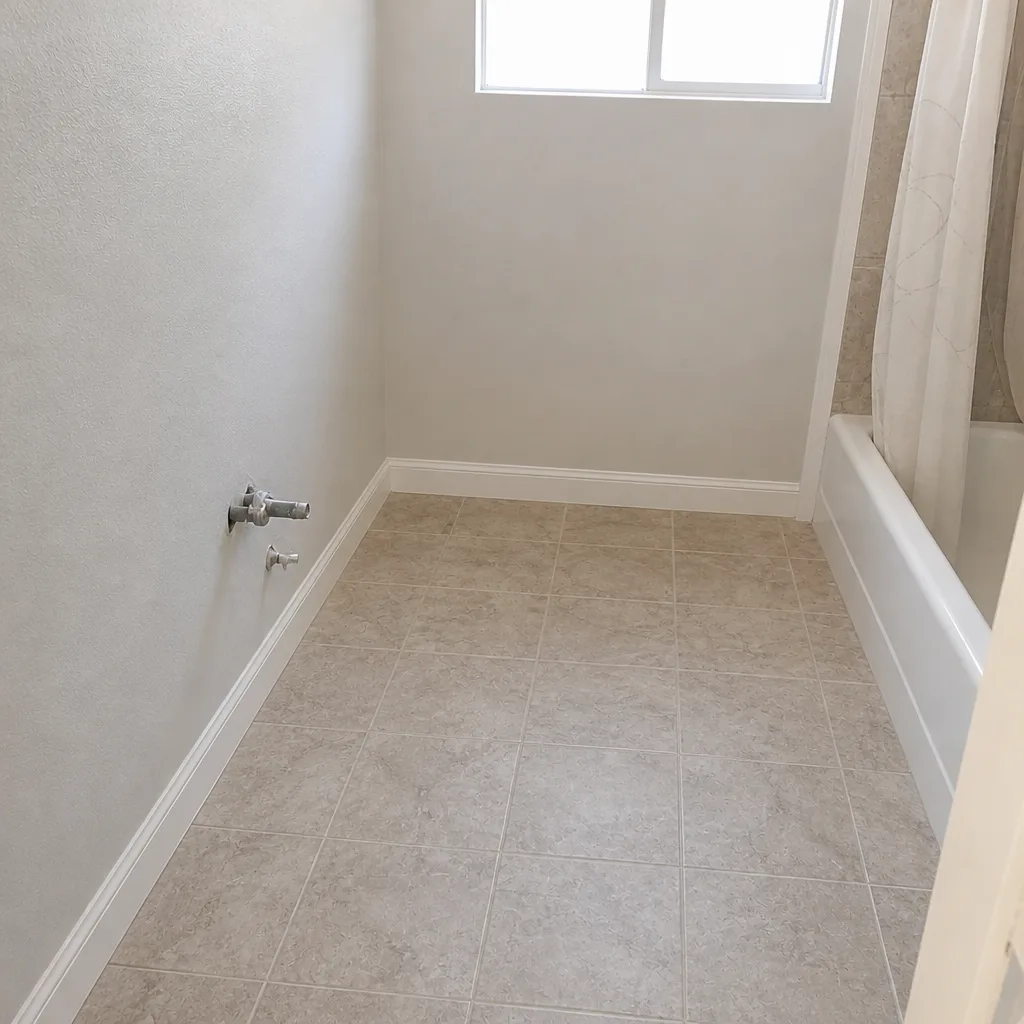
See the difference
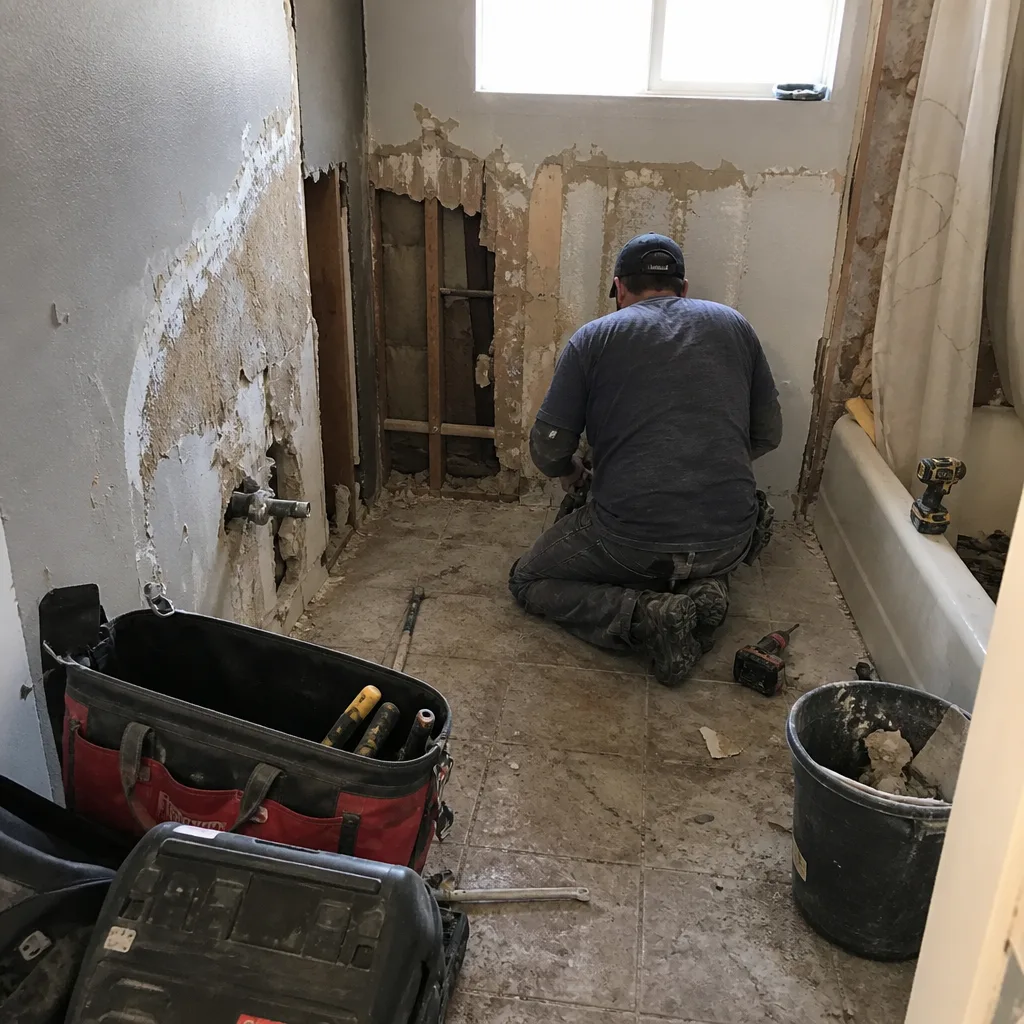 Before
 After
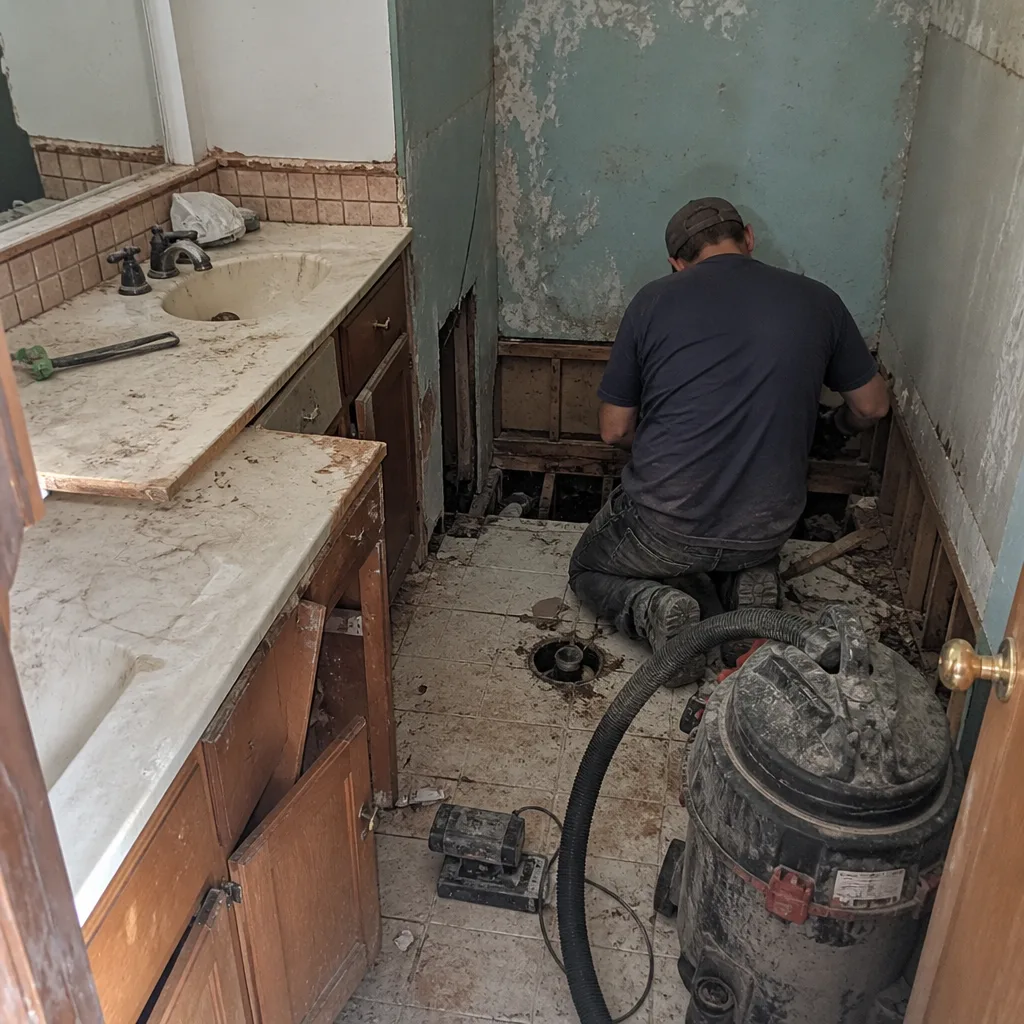 Before
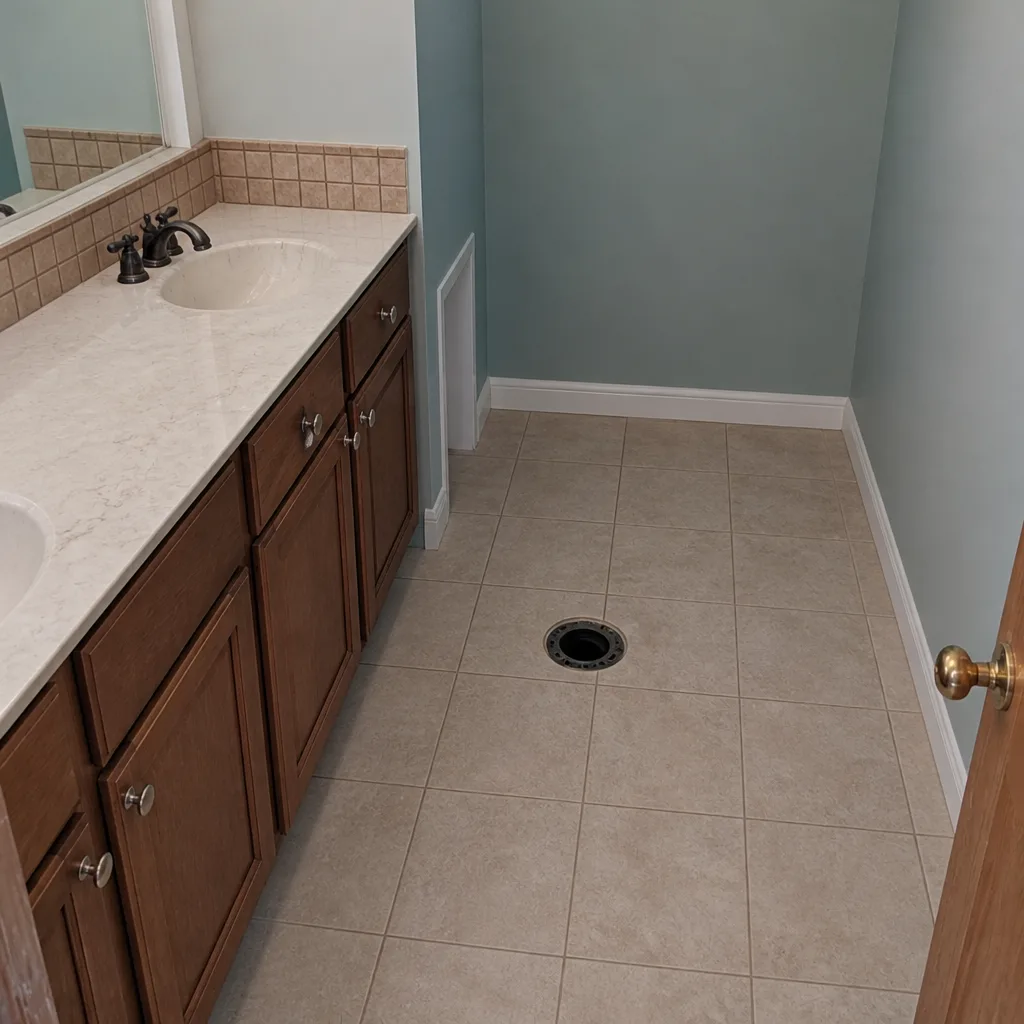 After
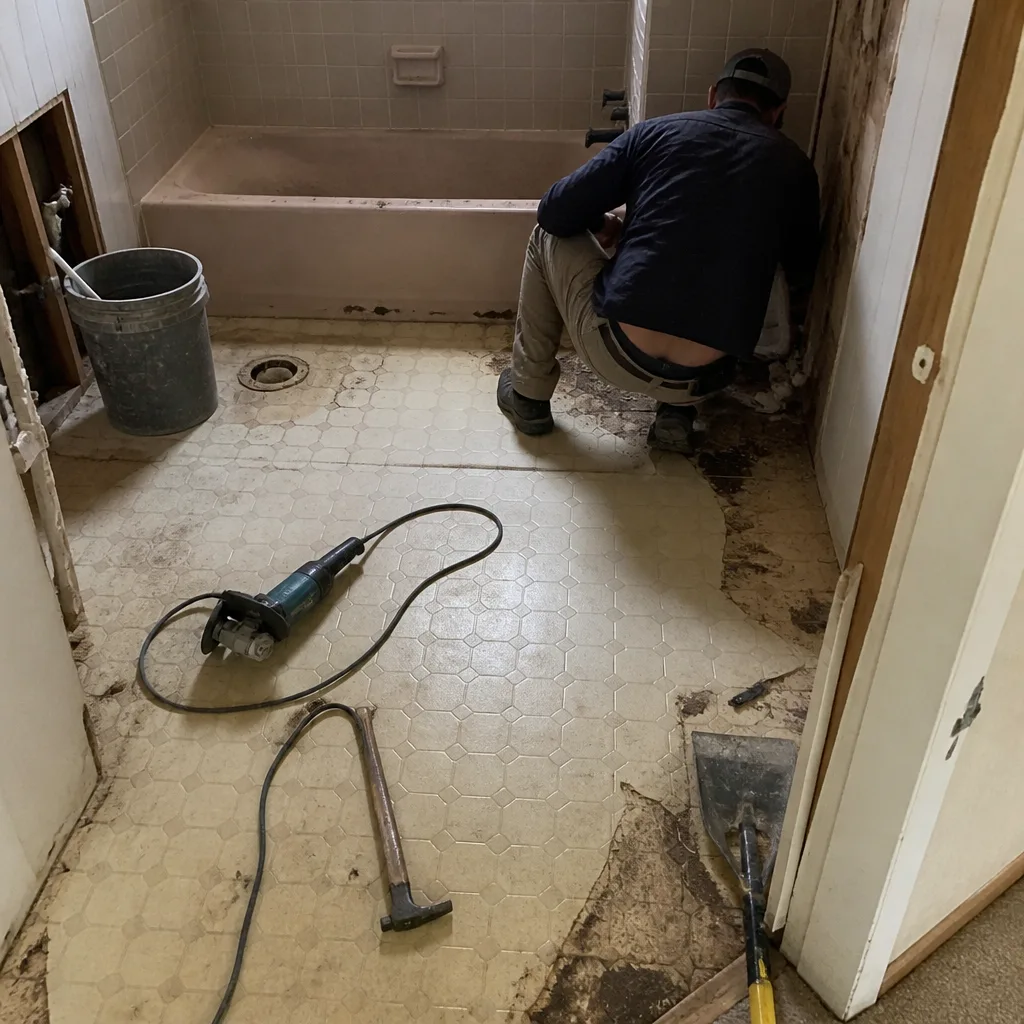 Before
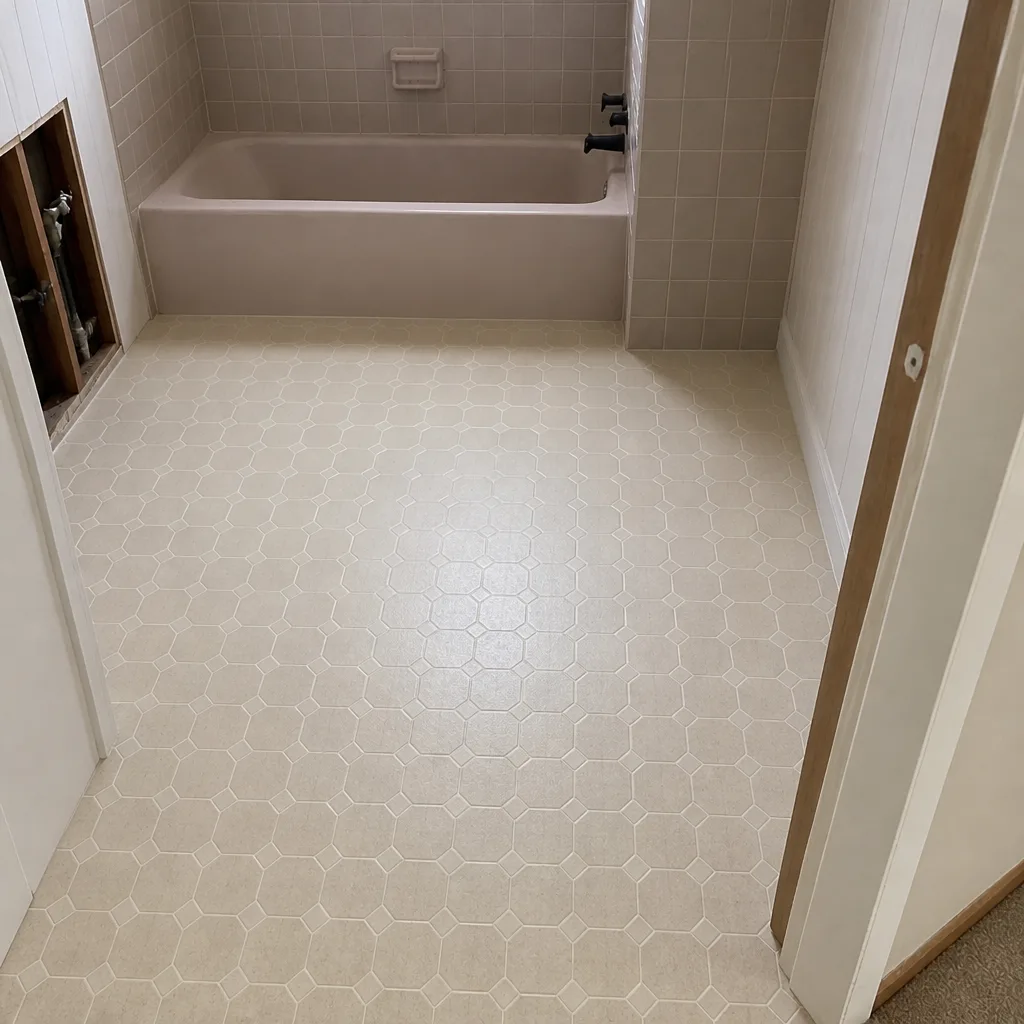 After