
Last updated November 17, 2026
 Walk-in shower
 Tub-to-shower
 Freestanding tub
 Kohler
 Moen
 Delta
 Frameless glass
Free in-home design visit - walk-in showers, tub-to-shower conversions, and Kohler, Moen, and Delta fixtures planned to your exact space
Bathroom Remodeling Maintenance Schedule: What to Do and When
Most people treat a bathroom remodel as a finish line. The tile is set, the grout is cured, the new fixtures gleam, and the project is done. That’s the mistake. A remodeled bathroom is really an investment with a maintenance contract attached, and if you skip the calendar that keeps it alive, even a careful renovation starts to look tired in just a few years. The difference between a bathroom that still looks sharp a decade later and one that’s already dated comes down to a handful of small tasks done on time. This guide lays out a month-by-month, season-by-season schedule built specifically for the hard water, dust, and heat that Paradise homeowners live with. We’re Bathroom Remodeling Paradise, and we’ve watched which habits protect a bathroom and which ones let it slide.
Quick Answer
A bathroom remodel should be maintained on a four-tier schedule: weekly (ventilation and surface wipe-downs), monthly (grout and caulk inspection, drain clearing, hardware check), quarterly (deep cleaning, re-sealing high-traffic grout, exhaust fan cleaning), and annually (full plumbing leak check, re-caulking seams, hardware lubrication, and professional waterproofing review). In Paradise, Nevada, the hard water and desert dust make each of these tasks more urgent than in milder climates, so the schedule matters more, not less.
Styles & brands we work with
- Walk-in shower
- Tub-to-shower
- Freestanding tub
- Kohler
- Moen
- Delta
- Frameless glass
Table of Contents
- Why Maintenance Matters More in Paradise
- The 12-Month Maintenance Calendar
- Grout and Caulk: The Inspection Protocol
- HVAC and Exhaust Fan Timing in Desert Heat
- Shower Door and Hardware by Finish Type
- The Annual Plumbing Check That Catches Slow Leaks
- Hard Water and Product Choices That Hold Up
- Seasonal Tasks Tied to Paradise’s Climate
Why Maintenance Matters More in Paradise
Las Vegas Valley tap water is hard. It carries well over 300 parts per million of dissolved minerals, and that’s roughly three times the threshold where buildup starts visibly etching glass, cloudy fixtures, and dulls grout. If you moved to Paradise from a softer-water part of the country, the first sign is usually the white film on shower doors and faucets. That film is not cosmetic. Left alone, it hardens into mineral scale that bonds to grout lines and can only be removed by aggressive scrubbing or replacement.
The second stressor is dust. Paradise sits in a desert basin where wind kicks up fine particulates year-round, and those particles get pulled into exhaust fans, settle on grout, and pack into door tracks. Combined with the extreme summer heat, the exhaust fan motor works harder and fails faster than a manufacturer’s estimate would suggest for a cooler, humid climate.
The third is heat itself. Thermal expansion and contraction from hot summers to mild winters stress caulk joints and tile grout seams. A joint that looks fine in spring can show hairline cracks by autumn. None of this means a remodeled bathroom in Paradise is fragile. It means the maintenance contract attached to your investment needs to be specific to this climate, not copied from a guide written for a coastal or humid state. If you’re planning a renovation now, see bathroom remodeling for the build-side view, and remember that the maintenance schedule starts the day the last fixture is set.
The 12-Month Maintenance Calendar
Here is the full schedule at a glance. Move any task up if you see visible buildup, and treat these as minimums rather than ceilings.
Weekly
- Run the exhaust fan during and for 15 to 20 minutes after every shower.
- Wipe down shower walls and glass with a squeegee or soft towel to limit mineral spotting.
- Dry the tub or shower surround to keep grout from staying damp.
- Clear hair from the shower drain screen before it mats.
Monthly
- Inspect grout lines and caulk seams for cracks, darkening, or peeling.
- Run hot water and a mild drain treatment through the drain to slow soap and hair buildup.
- Check faucet aerators for white mineral deposits and soak them in a descaling solution if needed.
- Wipe down exhaust fan grilles and vent covers.
Quarterly
- Deep clean tile and grout with a pH-neutral cleaner made for hard-water environments.
- Re-seal grout in high-traffic zones: shower floor, tub surround, and behind the toilet.
- Remove the exhaust fan grille and vacuum dust from the blades and housing.
- Lubricate shower door hinges, rollers, and handle pivots according to their finish type.
- Check under-sink cabinets for moisture, discoloration, or warping.
Annually
- Do a full plumbing check for slow leaks (see the protocol below).
- Re-caulk all seams around the tub, shower, sink, and toilet base.
- Inspect waterproofing around the shower pan and wall transitions.
- Have the exhaust fan motor and vent duct checked for performance.
- Check toilet flappers and supply lines for wear.
- Review the overall finish condition and plan any upgrades.
Grout and Caulk: The Inspection Protocol
Grout and caulk are the first line of defense against water getting behind tile and into the wall cavity. In a hard-water climate, they degrade faster than most homeowners expect. The good news: the visual signs are easy to read once you know what to look for.
The exact visual signs
Re-seal now if you see:
- Grout lines that darken or lighten unevenly when wet, then stay slightly discolored after drying.
- White chalky film on grout that doesn’t scrub off with a soft brush.
- Caulk that has lost its smooth surface and shows a fine spiderweb of surface cracks.
- Water beading less on tile or grout (a sign the sealer has worn thin).
Replace soon if you see:
- Caulk that has pulled away from the wall or tub edge with a visible gap.
- Cracked or crumbling grout that crumbles when you press it gently.
- Dark mold-like staining in seams that doesn’t lift with a mildew remover.
- Soft or spongy grout, or tile that flexes underfoot.
Lifespan benchmarks by grout type
- Cementitious sanded grout: 8 to 12 years with consistent sealing; expect to re-seal every 6 to 12 months in hard-water environments.
- Cementitious unsanded grout: 6 to 10 years in shower zones; re-seal every 6 months in Paradise.
- Epoxy grout: 15 to 20+ years and largely stain-proof, though it can still develop hairline cracks at movement joints.
- Silicone caulk: 3 to 5 years in a wet zone before it should be cut out and replaced.
- Acrylic-latex caulk: 2 to 4 years; not recommended in shower areas unless it’s specifically rated for wet environments.
The sealer you choose matters, too. A penetrating sealer made for hard-water conditions will outlast an entry-level product. If your bathroom was built with Schluter Systems waterproofing, the underlying substrate is well protected, but the surface grout still needs sealing on schedule. Waterproofed to Schluter standards doesn’t mean maintenance-free; it means the critical layer behind the tile is done right.
HVAC and Exhaust Fan Timing in Desert Heat
An exhaust fan is arguably the most underrated appliance in your bathroom. It pulls out the humid air that damages grout, encourages mold, and shortens the life of cabinets and paint. In Paradise, that fan works harder and dies faster than the manufacturer’s estimate.
Desert dust clogs fan blades and vents, which reduces airflow and forces the motor to strain. Extreme summer heat accelerates bearing wear and can cause the fan to overheat. In our trade experience, a fan that would last three to five years in a mild climate often needs cleaning or service sooner here if it isn’t maintained.
What the schedule looks like
- Monthly: Wipe the grille and peek at the fan blades for visible dust load.
- Quarterly: Remove the grille, vacuum the blades and housing, and check the exterior vent flap opens freely.
- Before summer: Test the fan on maximum and listen for grinding or rattling.
- Before the dust season ramps up: Clean the duct opening and inspect the roof vent for nests or debris.
- Annually: Have the motor and airflow performance checked; a slow fan means moisture is staying inside.
If your fan sounds tired, rattles, or doesn’t clear steam within a few minutes of a shower, that’s a signal, not a quirk. A bathroom-only specialist can assess whether a replacement or an upgrade to a higher-CFM model fits your space. For those looking ahead to a larger change, see walk in shower for a look at how modern shower designs interact with ventilation needs.
Shower Door and Hardware by Finish Type
Shower door hardware isn’t just aesthetics. Hinges, handles, guide rails, and rollers all need lubrication to move smoothly and stay aligned. What you apply, and how often, depends on the finish.
Matte black
Matte black finishes are popular and durable, but they hide scratches and mineral deposits poorly and can show wear in high-touch areas faster than you’d expect. Lubricate hinge pins and pivot points every two to three months with a dry-film or silicone-based lubricant. Avoid oil-based products that hold dust. Wipe fingerprints and water spots regularly with a damp cloth; abrasive cleaners can wear the powder coat or finish.
Polished chrome
Chrome is the most forgiving finish, but it shows hard-water spotting clearly and is prone to mineral film in a hard-water climate. Wipe weekly with a soft cloth and a mild descaler to keep the shine and reduce buildup. Lubricate hinges and rollers quarterly with a lightweight silicone lubricant. Avoid ammonia-based cleaners that can dull the chrome over time.
Brushed nickel
Brushed nickel has a subtle grain that can trap minerals and cleaning residue if not wiped consistently. Use a soft cloth and mild soap, then dry. Lubricate hardware quarterly with a non-staining lubricant, and inspect the finish for wear spots in high-touch areas each season.
General hardware rules
- Always dry hardware after cleaning to prevent hard-water spotting.
- Never use steel wool or abrasive pads on any of these finishes.
- Check hinges and rollers for tightening every quarter; loose screws cause doors to sag and seals to fail.
- Test the door’s swing every season; a drag means the guide or roller needs attention.
If the hardware is beyond saving or you’re thinking about a full shower upgrade, our team works with brands like Delta and American Standard so the replacements match both budget and finish. You can reach us at the number at the end of this guide.
The Annual Plumbing Check That Catches Slow Leaks
Slow leaks behind walls are the most expensive maintenance failure in any remodeled bathroom. They leak for months without obvious signs, then cause mold, rot, or structural damage. The good news is that an annual check catches most of them early.
What to look for
- Discolored or warped cabinet floors under the sink.
- Water stains or bubbling paint on the ceiling below the bathroom.
- Soft or curling caulk where the shower meets the floor.
- Loose tiles or a spongy feeling when you step on the shower floor.
- Mold-like staining on grout or drywall near the shower.
What to listen for
- A faint hiss from the toilet tank after the refill cycle ends (often a worn flapper).
- Rattling or gurgling from the walls or pipes when other fixtures run.
- A running shower valve that drips long after you shut it off.
- Any drip sound behind a wall, even if you can’t see water.
Also do a manual check: shut off every fixture, then look at your water meter. If the dial moves, water is running somewhere. In a hard-water environment, that’s often a hidden supply line or a toilet valve. If you can’t find the source, call a bathroom specialist rather than wait for the damage to show. Our technicians have up to 15 years of experience tracing exactly this kind of problem.
Hard Water and Product Choices That Hold Up
Product choice is maintenance strategy. The right fixtures are easier to keep clean and last longer in a hard-water environment. We’ve worked with a wide range of fixtures and hardware, from entry-level to luxury, and the pattern is consistent: finishes and mechanisms rated for hard water perform better and demand less of your time.
- Ceramic disc cartridge faucets resist mineral deposits better than compression-style valves.
- Aerators you can remove and soak last longer than fixed ones.
- Stainless and high-grade PVD finishes resist mineral etching better than unsealed finishes.
- Tankless-ready, low-flow shower heads reduce mineral load and preserve water pressure in Paradise.
- Epoxy grout or an engineered grout alternative cuts re-sealing frequency dramatically.
The brands we work with, including Toto and Kohler, offer lines that perform well in hard water. If you’re choosing fixtures for a remodel, this is where a bathroom-exclusive specialist earns their value: matching product to water conditions and usage patterns instead of picking whatever looks good in the showroom. That’s the same reason we focus on waterproofing with Schluter Systems; the hidden parts protect everything visible.
Seasonal Tasks Tied to Paradise’s Climate
Paradise has two main stress seasons: the hot, dry summer and the dust-heavy periods when wind kicks up fine particulates. Tying maintenance to seasons gives you a simple rhythm to follow.
Spring prep
- Deep clean tile and grout before heavy summer use.
- Re-seal high-traffic grout lines after the deep clean.
- Have the exhaust fan checked ahead of peak heat.
- Inspect caulk seams for winter damage from temperature swings.
Summer watch
- Increase wipe-down frequency for shower glass and fixtures.
- Run the exhaust fan longer to handle heavier moisture.
- Watch for mineral buildup on faucets and shower heads.
- Keep the bathroom ventilated to control humidity and heat buildup.
Fall and dust season
- Clean exhaust fan grilles and vents more often.
- Wipe door tracks and hardware weekly to keep grit out of moving parts.
- Re-check grout and caulk after the summer stress period.
Winter check
- Inspect for drafts, caulk cracks, and tile movement.
- Run warm water through rarely used fixtures.
- Do the annual leak and hardware check.
If you’re located in Paradise, this climate rhythm is part of daily life, and the maintenance schedule is tailored to it. If you’re planning a renovation, the timing of your build matters too: starting after the dustiest stretch means fewer particles in freshly set tile and grout.
Common Mistakes to Avoid
- Treating maintenance as optional after a remodel. A finished bathroom needs the calendar even more than a tired one, because you want it to stay finished. Skipping it is the fastest way to erase the investment.
- Using generic humid-climate advice. Most maintenance guides assume soft water and mild air. In Paradise, the hard water and dust mean the same tasks need to happen more often and with products made for mineral-heavy environments.
- Choosing the wrong caulk for wet zones. Acrylic-latex in a shower lasts a fraction as long as silicone. Match the product to the wet zone, not to whatever’s on hand.
- Ignoring the exhaust fan until it fails. A slow fan is a silent problem. In extreme heat and dust, motors wear faster, and a failing fan is a moisture problem waiting to happen.
- Cleaning with abrasives. Steel wool and gritty cleaners scratch finishes and speed up wear. Soft cloths and pH-neutral or mild descalers are the right tools.
- Skipping the annual plumbing check. Slow leaks are invisible until the damage is expensive. A yearly walkthrough catches them while they’re still small.
- Trying to fix waterproofing or structural issues with surface products. If you see soft grout, loose tile, or evidence of water behind the surface, it’s a professional problem, not a weekend project.
See the difference
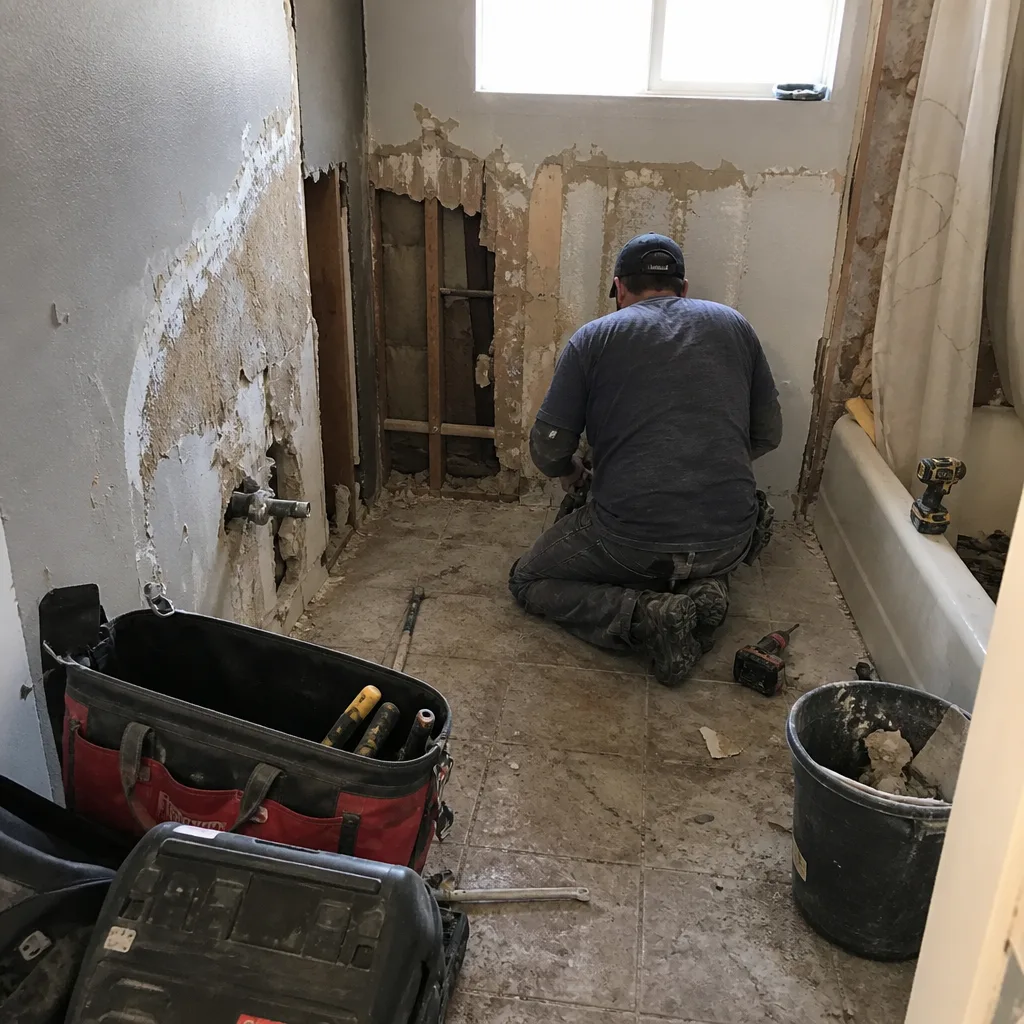 Before
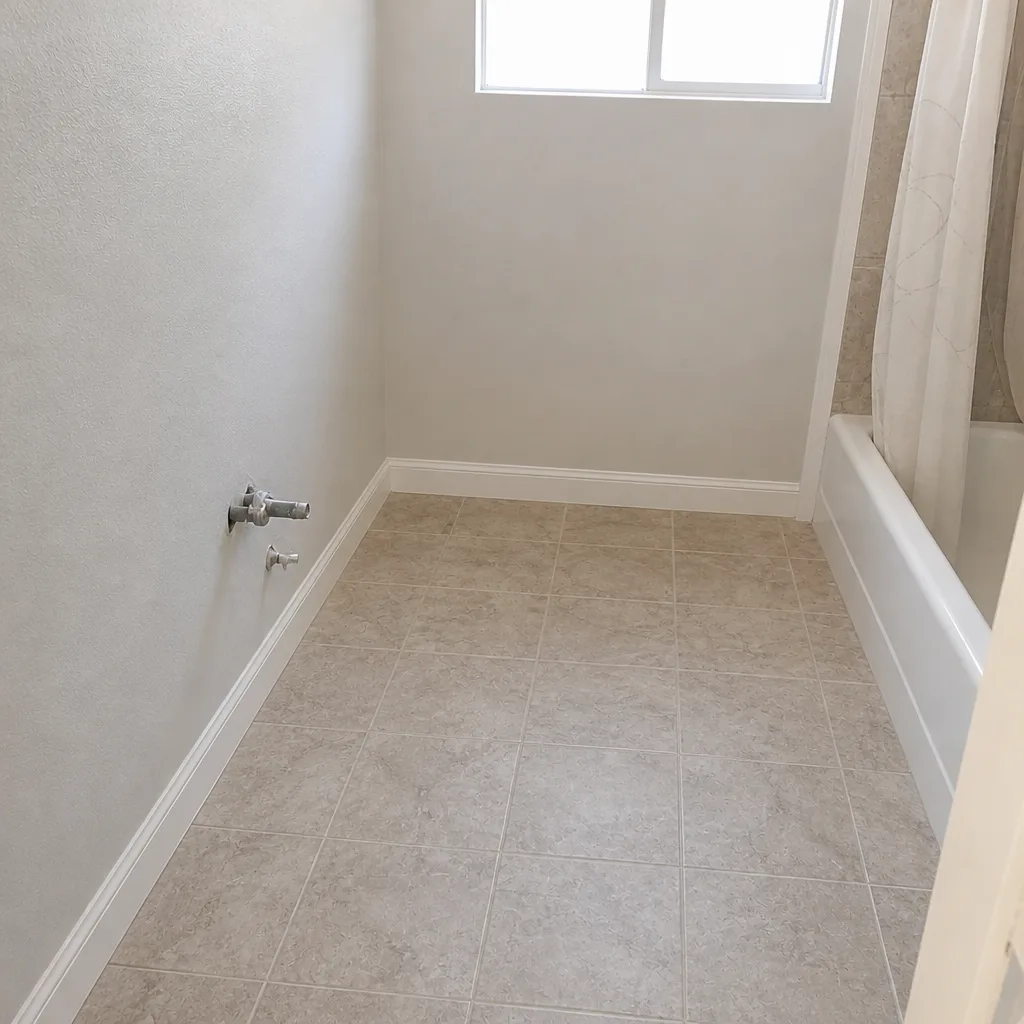 After
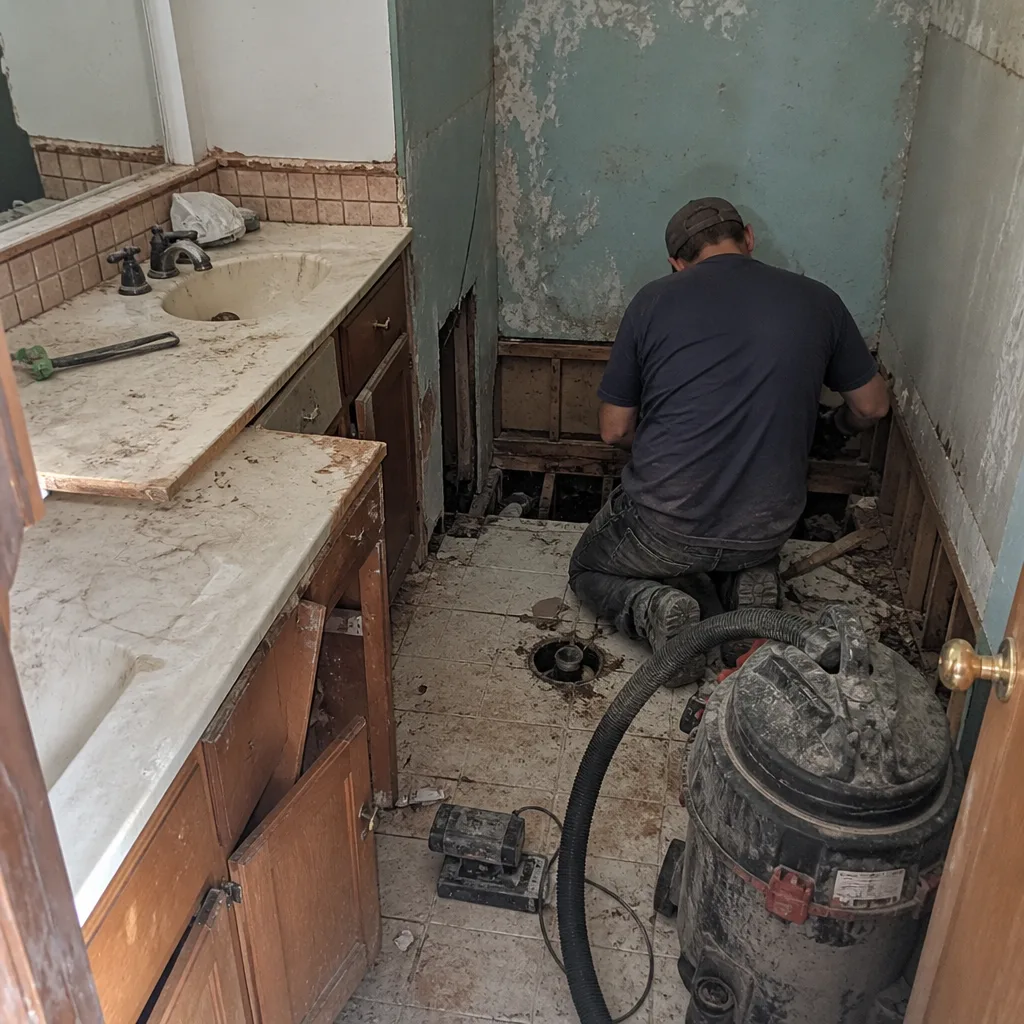 Before
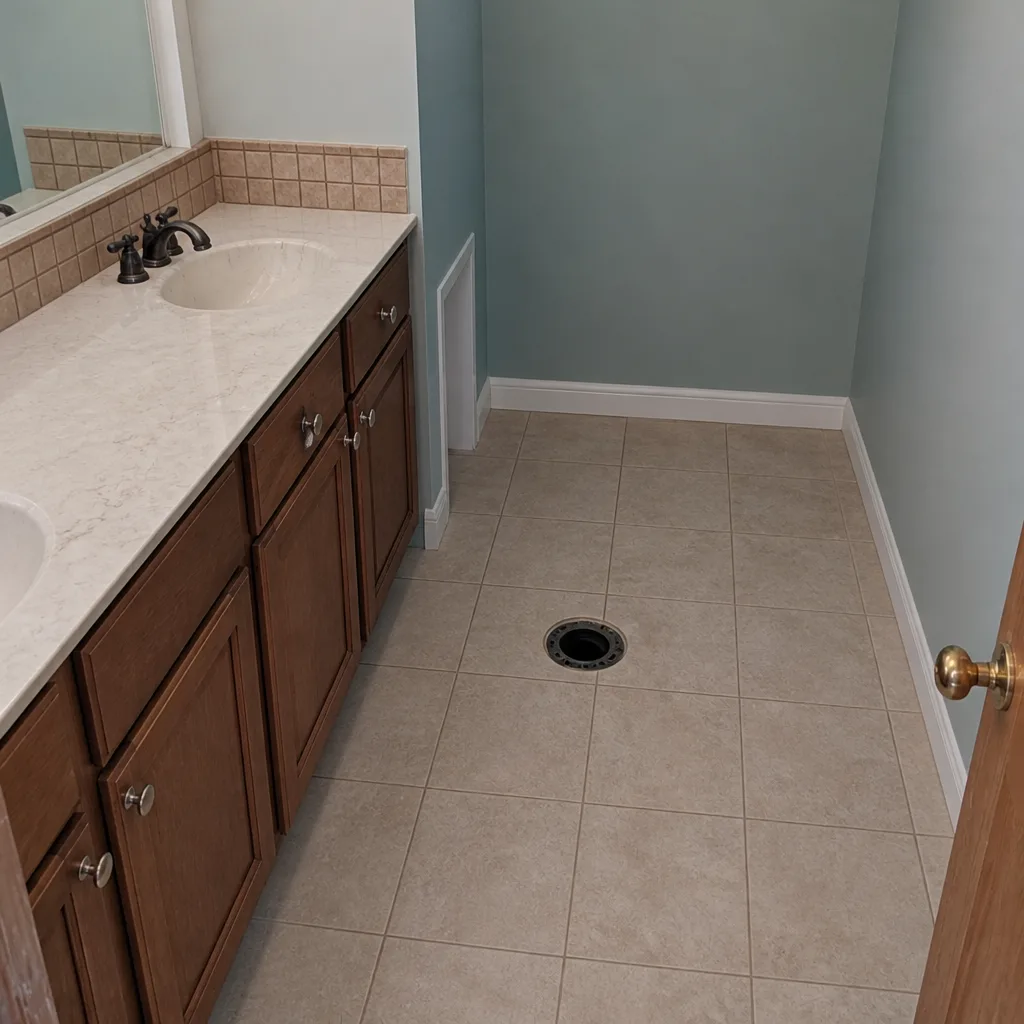 After
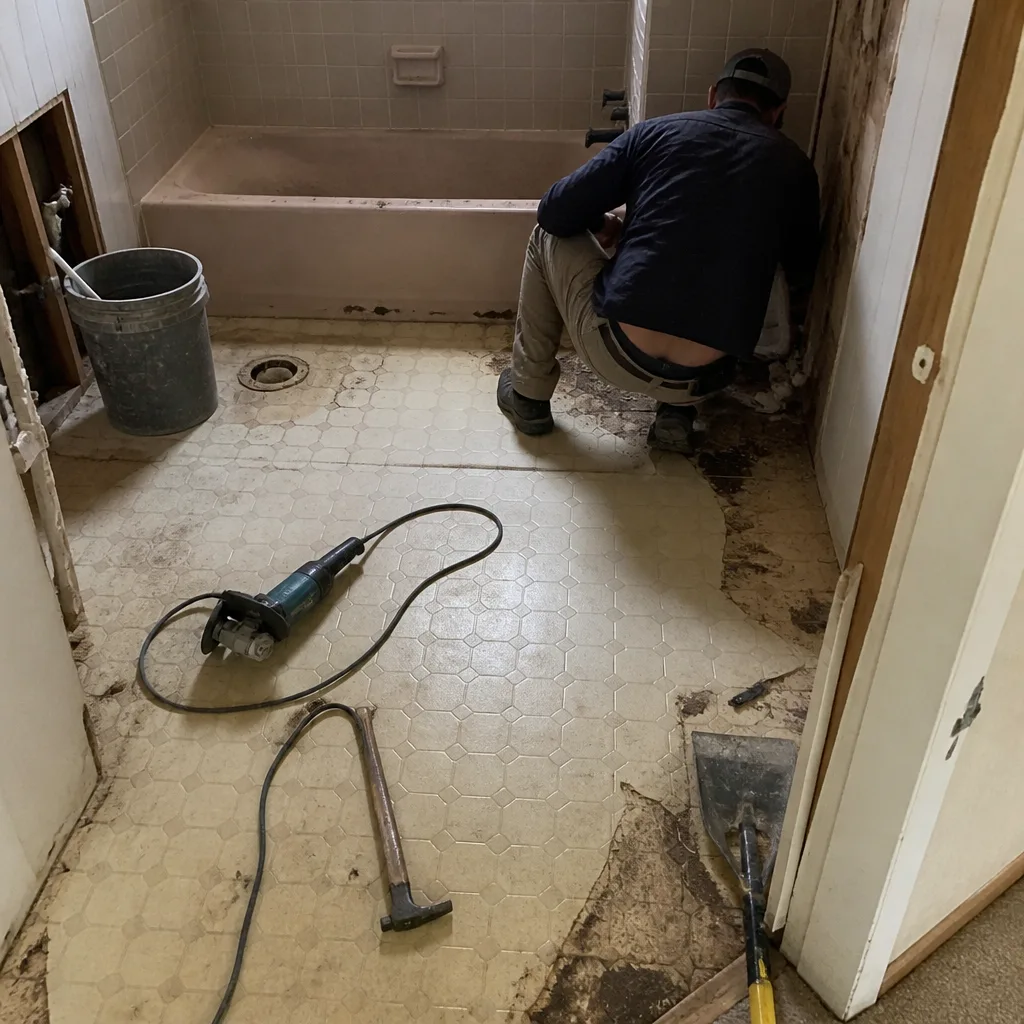 Before
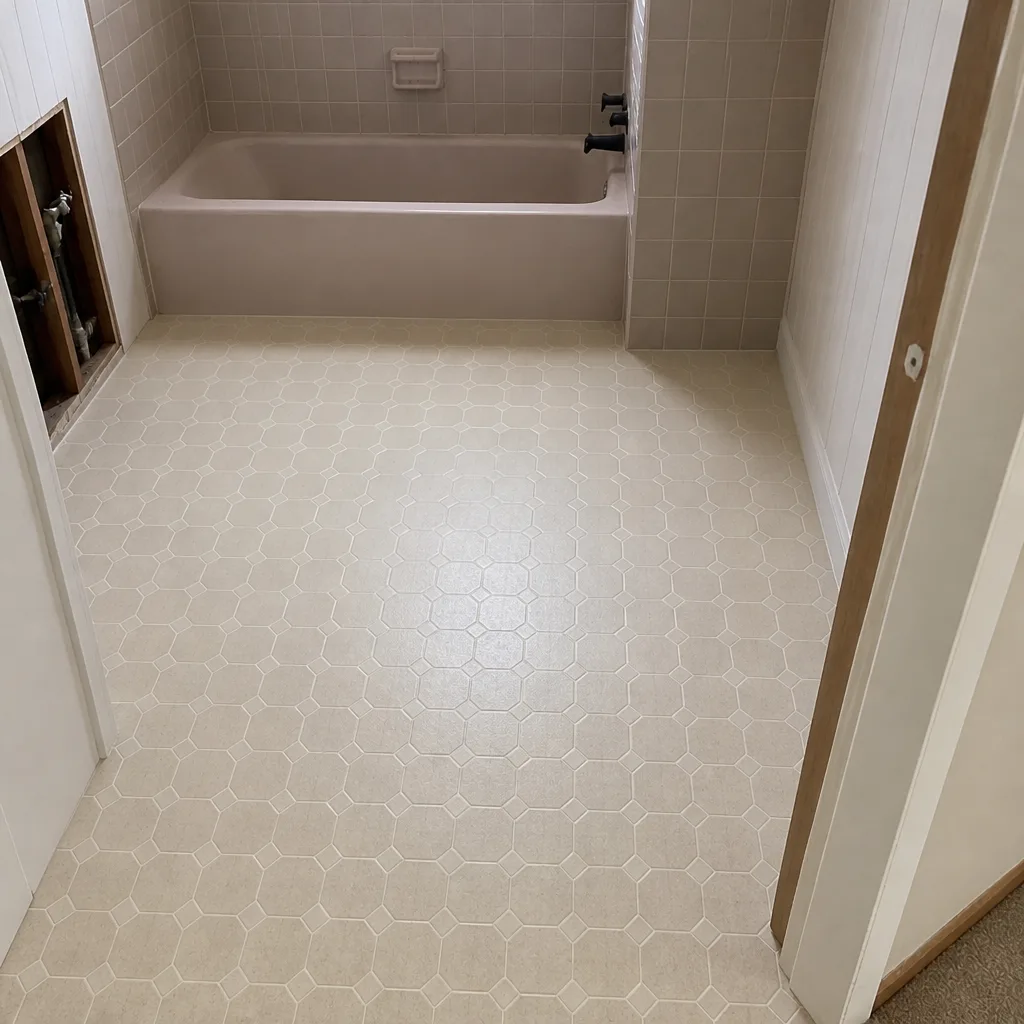 After
When to Call a Professional
Most of this maintenance schedule is within reach for any homeowner. A few situations call for a trained professional because the risk is real: soft or crumbling grout, tile that flexes or has detached, a shower pan that shows movement, water stains on ceilings below, a persistent musty smell, or any sign of a leak behind a wall. Waterproofing-related damage is also a professional call, because repairing it correctly usually means redoing a membrane, not just re-grouting a line. If your exhaust fan needs replacement or your shower valve drips no matter how hard you tighten it, that’s also worth a professional look. Bathroom Remodeling Paradise offers free estimates in Paradise; we can assess what’s actually going on and tell you plainly whether it’s a maintenance fix or an upgrade opportunity. Call (888) 349-5908 to book a visit. We answer 24/7. Fast dispatch from 7am to 7pm, Sunday through Friday.
Frequently Asked Questions
Every six to twelve months for cementitious grout, and every six months for shower zones. In Paradise’s hard water, mineral deposits build faster than in softer-water regions, so err toward the shorter interval. Test the surface by sprinkling a few drops of water on a grout line: if it beads, sealer is still working; if it soaks in quickly, it’s time to re-seal. Call (888) 349-5908 if you’re unsure whether your grout is repairable or needs replacement; estimates are free.
Pulling away from the tub or wall, a visible gap, cracking, crumbling, or dark staining that won’t lift with a mildew remover. Silicone caulk in a wet zone typically lasts three to five years before it should be cut out and replaced. If the caulk is failing and you can see moisture behind it, that’s a professional assessment, not a DIY re-caulk. Call (888) 349-5908 for a free estimate.
Vacuum the blades and grille quarterly, and have the motor and airflow checked annually. In Paradise’s heat and dust, fans wear faster than a manufacturer’s estimate would predict, so listening for rattles and checking airflow before summer makes sense. A weak fan keeps moisture inside, which shortens grout and paint life. If it needs replacing, call (888) 349-5908 for a free estimate.
Partially. You can inspect under cabinets for water stains, listen for running or hissing after fixtures are shut off, and watch your water meter with everything off to catch hidden leaks. What you can’t easily do is trace a slow leak behind a wall or into a shower pan, and that’s exactly the kind of problem that does the most damage. Call (888) 349-5908 if your check turns up anything suspicious; estimates are free.
Maintenance preserves the finish and function of the bathroom you have. A remodel changes the layout, fixtures, or materials. If your bathroom is more than 15 to 20 years old or you’re seeing repeated water damage, maintenance may no longer be enough. Bathroom Remodeling Paradise handles both conversations; call (888) 349-5908 for a free estimate and we’ll walk you through the options.
Waterproofing fails behind the surface long before it fails visibly. If your shower was built with a proper membrane and substrate, small surface issues stay small. If it wasn’t, even a good-looking grout line can hide a problem. Our team works with Schluter Systems for professional waterproofing, and we can assess what’s going on. Call (888) 349-5908 for a free estimate. We answer 24/7. Fast dispatch from 7am to 7pm, Sunday through Friday.
The Bottom Line
The schedule is the thing. Weekly ventilation and wipe-downs keep minerals from bonding. Monthly grout and caulk inspection catches problems while they’re still cosmetic. Quarterly deep cleans, re-sealing, and fan cleaning handle the heavier burden that hard water and desert dust put on a bathroom. The annual leak check and hardware service protect the parts you can’t see. Follow this rhythm, and a well-built Bathroom Remodeling Paradise bathroom stays sharp for decades instead of three years. Skip it, and even a careful renovation starts to look tired. If you want a partner who treats the schedule as seriously as the build, our team is here, with up to 15 years of technician experience on every job. Call (888) 349-5908 for a free estimate.
Written by the team at Bathroom Remodeling Paradise.